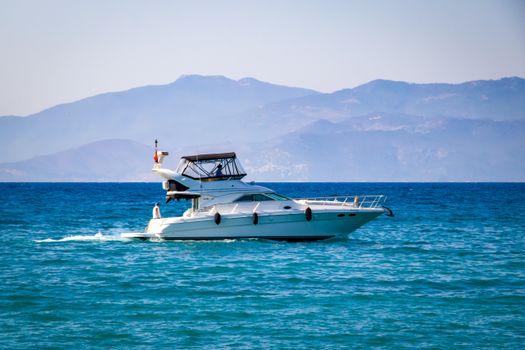
Yachting conjures images of sun-soaked decks, sparkling seas, and champagne toasts at sunset. But beneath this glamorous surface lies a world governed by traditions and expectations—many of which are never mentioned in the glossy brochures. Whether you’re stepping onto a yacht for the first time or you’re a seasoned guest, understanding the unspoken rules of yacht etiquette is essential for a smooth and enjoyable journey. These unwritten codes are as much about respect and safety as they are about elegance and comfort. Let’s lift the veil on the nuanced world of yacht etiquette, exploring the customs, courtesies, and silent signals that define life afloat.
The Silent Language of the Sea: Why Yacht Etiquette Exists
Yachting is rooted in centuries-old maritime traditions. Unlike other forms of travel, yachts are intimate spaces where guests and crew share close quarters for hours or even days. Here, etiquette isn’t just about social niceties—it’s a system that keeps everyone comfortable, safe, and happy.
A 2022 survey by the International Yacht Brokers Association (IYBA) found that 79% of yacht owners believe good etiquette enhances the overall experience for everyone on board. The same report highlights that misunderstandings over yacht customs are the leading cause of guest discomfort, outweighing issues like seasickness or weather by 2-to-1.
.png)
Etiquette on a yacht covers everything from how to greet the captain to when (and if) you can wear shoes on deck. These rules create a subtle harmony, ensuring that both guests and crew enjoy the voyage without friction or faux pas.
Boarding and Greetings: Setting the Tone from the Start
The moment you step onto a yacht, you’re entering someone’s home—often their floating pride and joy. The traditions surrounding boarding set the tone for your entire stay.
First, always wait to be invited aboard. Unlike a hotel lobby, you don’t just walk onto a yacht; the crew or host will signal when it’s your turn. This custom dates back to naval traditions, where boarding without permission was a serious breach.
Once the invitation is extended, greet the crew and especially the captain. A simple “Hello, Captain” and a smile go a long way. On larger yachts, the chief steward or stewardess may introduce you to the rest of the staff. Remember: addressing the captain by title isn’t just formality—it acknowledges their authority and responsibility for everyone’s safety.
Shoes are a classic point of confusion. Most yachts have a “no shoes on deck” policy to protect delicate teak and carpets. Some provide soft-soled boat shoes or slippers; others expect bare feet. Look for a basket by the gangway or ask the crew if you’re unsure. According to the Superyacht Life Foundation, 85% of superyachts enforce a shoes-off rule for guests, so it’s a safe bet to check before stepping on board.
Life On Board: Sharing Space Respectfully
Living together on a yacht requires a heightened awareness of personal space and shared resources. Even on a 100-meter superyacht, privacy is precious and everyone’s comfort matters.
Cabin assignments are typically pre-arranged by the host. If you’re a guest, respect the boundaries of each cabin and communal area. Only enter crew areas when invited, and never assume public spaces are available for private use. For example, the galley (kitchen) is usually off-limits to guests unless you’re personally invited by the chef.
Water and electricity are finite resources at sea. Showers should be brief—most yachts encourage “navy showers” (rinse, soap, rinse) to conserve water. The average yacht produces 500-1,000 liters of fresh water per day via desalination, but with a full house, it’s easy to run short. Likewise, leaving lights, air conditioning, or electronics running in empty cabins is discouraged.
Noise is another consideration. Sound travels easily on water and through a yacht’s structure. Keep music, phone calls, and late-night chatter at a considerate level. The crew often works in shifts and needs rest to keep you safe and cared for.
Interacting with Crew: Professionalism vs. Friendship
Yacht crew are highly trained professionals, and the guest-crew relationship is unique. While the environment is relaxed, the boundaries between guest and staff should be respected.
Crew members are not personal servants—they’re skilled mariners, hospitality experts, and sometimes engineers rolled into one. Be courteous, use “please” and “thank you,” and avoid making unreasonable demands. If you have a special request (dietary needs, activities, etc.), communicate these early and through the chief steward or stewardess when possible.
Tipping is a major part of yacht culture, especially in charter scenarios. The Mediterranean Yacht Brokers Association recommends a gratuity of 10-15% of the charter fee, distributed among the crew. On private yachts, tipping is less rigid but still appreciated for exceptional service.
Below is a table comparing guest expectations on private yachts versus charter yachts:
| Aspect | Private Yacht | Charter Yacht |
|---|---|---|
| Boarding Protocol | Wait for owner or captain’s invitation | Wait for crew’s invitation |
| Crew Interaction | Often more personal, but still formal | Professional and formal |
| Tipping | Optional, for exceptional service | Expected, 10-15% of charter fee |
| Guest Privileges | At owner’s discretion | Outlined in charter agreement |
| Dress Code | May be relaxed, varies by owner | Usually specified before charter |
Dining and Entertaining: Table Manners at Sea
Meals on a yacht range from casual breakfasts on deck to formal, multi-course dinners under the stars. Adapting to the rhythm and style of dining aboard is part of the etiquette dance.
Punctuality is appreciated—meals are often timed with the day’s schedule, and the chef prepares dishes with precision. Let the crew know in advance about dietary restrictions or allergies. According to Yacht Charter Fleet, 92% of charter guests have at least one dietary request, so it’s nothing to be shy about, but earlier is better.
Dress codes can vary by yacht and event. Daytime is typically resort-casual; evening meals may call for “yacht smart” attire—think summer dresses or collared shirts and slacks, but no formal black-tie unless specified. When in doubt, ask your host or the stewardess.
Wine and cocktails are usually served by the crew, but don’t help yourself from the bar unless invited. If you’d like something, ask politely; the crew will be happy to serve you. On most yachts, it’s also polite to avoid overindulgence, as excessive drinking can disrupt the atmosphere and even create safety concerns.
Safety and Courtesy: The Unseen Foundations of Yacht Etiquette
Safety is paramount at sea, and many etiquette rules have their roots in this priority. Yachts are complex environments, and a lack of awareness can lead to accidents.
Always listen to the safety briefing, no matter how experienced you are. International Maritime Organization statistics show that 40% of yacht accidents involve guests who skipped or ignored safety instructions. Familiarize yourself with the location of life jackets, muster stations, and emergency equipment.
Movement around the yacht should be careful and deliberate. When underway, use handrails and avoid running. Keep bags, shoes, and gear stowed to prevent tripping hazards. If you’re prone to seasickness, let the crew know—they can provide remedies discreetly.
Respecting privacy is also an aspect of safety and comfort. Never post photos of the yacht, crew, or fellow guests on social media without permission; privacy is highly valued in the yachting world, and security concerns are real.
Final Thoughts on Yacht Etiquette: Navigating with Grace
Yacht etiquette can seem mysterious, but it’s really about creating a pleasant and secure environment for all. By observing these unspoken rules—waiting for invitations, respecting the crew, sharing space thoughtfully, and embracing the rhythms of life at sea—you’ll not only avoid faux pas but also enhance your own enjoyment and that of everyone aboard.
The yachting lifestyle is one of privilege, beauty, and camaraderie. When you understand and respect its silent codes, you help preserve the unique culture that makes every voyage memorable. Whether you’re a first-time guest or a seasoned sailor, remember: the most important rule is simple respect—for the boat, the crew, and your fellow travelers.