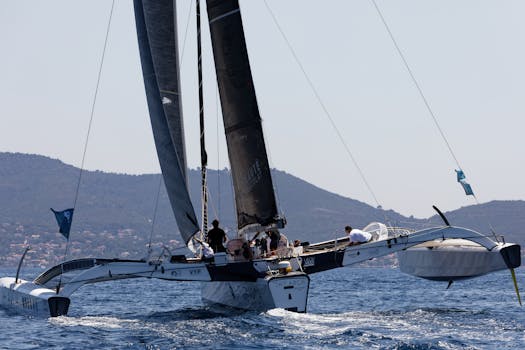
Yacht Racing: The Ultimate Water Sport
Yacht racing is an electrifying blend of speed, strategy, technology, and teamwork—a water sport that has captivated enthusiasts and spectators for centuries. From the graceful glide of classic sailing yachts to the adrenaline-pumping sprints of high-tech racing machines, yacht racing offers a unique blend of tradition and innovation. It is a sport that tests both human skill and the limits of engineering, played out on stunning stretches of water around the globe. In this article, we dive deep into the world of yacht racing, exploring its history, the types of races, the cutting-edge technology behind modern yachts, the global impact of the sport, and what makes it the ultimate water sport.
The Fascinating History of Yacht Racing
Yacht racing has a rich and storied past that dates back over 350 years. The first recorded yacht race took place in 1661 when King Charles II of England raced his newly built yacht against his brother, the Duke of York, on the River Thames. This royal pastime quickly gained popularity among European aristocrats, leading to the formation of some of the world’s oldest yacht clubs, including the Royal Yacht Squadron in 1815.
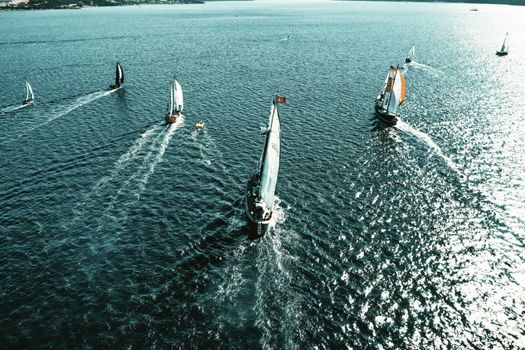
The sport’s international profile soared with the inception of the America’s Cup in 1851. The schooner America’s victory over the British fleet sparked an enduring rivalry and established the America’s Cup as the oldest trophy in international sport. Today, yacht racing encompasses a wide variety of formats, from local club regattas to global circumnavigation challenges, making it accessible to amateurs and professionals alike.
.png) Key Historical Milestones:
- 1661: First recorded yacht race on the Thames.
- 1851: The inaugural America’s Cup.
- 1973: The first Whitbread Round the World Race (now The Ocean Race).
- 1983: Australia II breaks the New York Yacht Club’s 132-year winning streak in the America’s Cup.
Key Historical Milestones:
- 1661: First recorded yacht race on the Thames.
- 1851: The inaugural America’s Cup.
- 1973: The first Whitbread Round the World Race (now The Ocean Race).
- 1983: Australia II breaks the New York Yacht Club’s 132-year winning streak in the America’s Cup.
Types of Yacht Races: From Sprints to Global Voyages
Yacht racing is an umbrella term covering a multitude of race formats, each with unique challenges and appeal. Let’s take a closer look at the main types of yacht races:
1. Regattas A regatta is a series of short-distance races, often held in coastal waters or large lakes. These events can last a single day or stretch over a week, featuring multiple heats and classes. Famous regattas include Cowes Week (UK) and the Rolex Sydney Hobart Yacht Race (Australia). 2. Offshore Races Offshore races are long-distance events that take place on open water, testing endurance and seamanship. The Fastnet Race (605 nautical miles) and the Transpacific Yacht Race (2,225 nautical miles) are iconic examples. 3. Around-the-World Races These epic contests push sailors and yachts to their limits. The Ocean Race (formerly Volvo Ocean Race) covers 45,000 nautical miles across several legs, while the Vendée Globe is a solo, non-stop, unassisted circumnavigation—widely regarded as sailing’s toughest challenge. 4. Match Racing vs. Fleet Racing Match racing pits two yachts against each other in a tactical duel, as seen in the America’s Cup. In contrast, fleet racing involves multiple boats racing simultaneously, demanding both strategic positioning and raw speed.| Type of Race | Distance | Typical Duration | Famous Example |
|---|---|---|---|
| Regatta | 5-30 nautical miles | Hours to days | Cowes Week |
| Offshore Race | 100-2,500 nautical miles | 2-14 days | Rolex Sydney Hobart |
| Round-the-World | 20,000-45,000 nautical miles | 70-200 days | Vendée Globe |
| Match Race | Varies (short courses) | Minutes to hours | America’s Cup |
Technology and Innovation: The Modern Racing Yacht
Yacht racing is a showcase of continuous technological advancement. Today’s high-performance racing yachts are marvels of engineering, carefully crafted for speed, agility, and endurance. Let’s break down some of the key innovations shaping the sport:
1. Carbon Fiber Construction Modern racing yachts leverage carbon fiber and other composite materials, making them lighter and stiffer than traditional wooden boats. The use of carbon fiber can reduce hull weight by up to 50%, giving teams a decisive edge in speed and acceleration. 2. Hydrofoils Hydrofoiling yachts have revolutionized sailing in the 21st century. By lifting the hull above the water, hydrofoils drastically reduce drag, enabling speeds over 50 knots (about 58 mph). The America’s Cup catamarans and the new generation of IMOCA 60s used in the Vendée Globe are prime examples. 3. Advanced Sail Design Sail technology has evolved from canvas to high-tech laminates like Kevlar and Mylar. Computer-aided design (CAD) and wind tunnel testing optimize sail shapes for maximum efficiency, allowing racers to harness every bit of available wind. 4. Onboard Technology Modern racing yachts are equipped with a suite of sensors, GPS navigation, real-time weather data, and performance analytics. Crews make split-second decisions based on a wealth of digital information, blending traditional seamanship with cutting-edge science.Fact: The fastest sailing speed ever recorded is 65.45 knots (75.23 mph), achieved by the Vestas Sailrocket 2 in 2012.
The Human Factor: Teamwork, Skill, and Strategy
Yacht racing is far more than just fast boats—it’s a true test of human skill, teamwork, and mental stamina. Every successful campaign, from local races to international competitions, relies on the seamless collaboration of a dedicated crew.
1. Roles Aboard a Racing Yacht Each crew member has a specific role, such as helmsman, tactician, trimmer, grinder, or bowman. On a high-performance racing yacht, coordination and communication are critical, especially when executing complex maneuvers like tacking or gybing. 2. Training and Preparation Elite yacht racing teams dedicate hundreds of hours to physical training, technical drills, and strategy sessions. For global races like the Vendée Globe, solo sailors prepare for years, simulating every possible scenario—equipment failure, sleep deprivation, and extreme weather. 3. Strategy and Tactics Racing is a mental game as much as a physical one. Successful teams must read changing wind patterns, anticipate competitor moves, and make split-second tactical decisions. The difference between victory and defeat is often measured in seconds and inches.Example: In the 2016 Vendée Globe, Armel Le Cléac'h won by just 16 hours after 74 days at sea—a margin of less than 1% in a race covering 27,000 nautical miles.
Global Reach and Economic Impact
Yacht racing is a truly global sport, with major events held on every continent except Antarctica. The sport attracts millions of fans and generates significant economic activity, from boat manufacturing to tourism and media coverage.
1. Major Events and Audiences - The America’s Cup 2021 attracted over 900 million TV and online viewers globally. - Over 5,000 boats and 8,000 sailors participate in Cowes Week each year. - The Rolex Sydney Hobart Yacht Race injects an estimated $30 million USD into the Australian economy annually. 2. Industry and Employment The yacht racing industry supports tens of thousands of jobs worldwide. Boatbuilders, sailmakers, equipment suppliers, and event organizers all benefit from the sport’s popularity and innovation. 3. Tourism and Local Economies Host cities see a surge in tourism during major yacht racing events, boosting hotels, restaurants, and related businesses. For example, the 2017 America’s Cup in Bermuda generated over $300 million in economic impact for the island.Why Yacht Racing is the Ultimate Water Sport
No other water sport combines the elements of adventure, skill, innovation, and prestige quite like yacht racing. Here’s what sets it apart:
- Legacy and Tradition: With roots stretching back centuries, yacht racing carries a sense of history and prestige unmatched in the world of water sports. - Cutting-Edge Technology: Continuous innovation pushes the boundaries of what’s possible on water, making yacht racing a testbed for new materials and designs. - Global Spectacle: From the Caribbean to the Mediterranean, from Sydney Harbour to San Francisco Bay, yacht racing brings together diverse cultures and stunning natural backdrops. - Ultimate Test of Teamwork and Endurance: Whether it’s a five-minute sprint or a solo circumnavigation, the sport demands peak performance from every participant.For thrill-seekers, strategists, and lovers of the sea, yacht racing truly is the pinnacle of aquatic competition.
Conclusion
Yacht racing stands at the intersection of adventure, technology, and tradition, delivering breathtaking spectacles and unforgettable challenges. From the regal origins of the sport to today’s high-octane competitions, it has evolved into a global phenomenon that inspires innovation and unites communities. Whether you’re drawn by the thrill of competition, the beauty of the yachts, or the camaraderie of the crew, yacht racing offers an experience like no other. It is, without a doubt, the ultimate water sport.