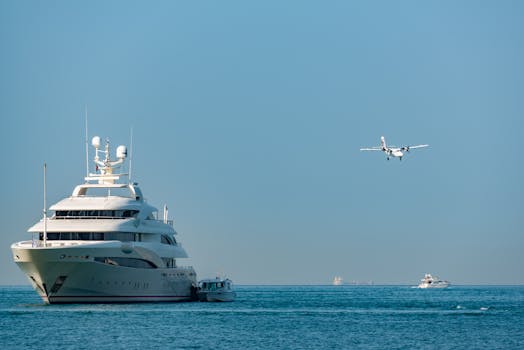
The Evolution of Yacht Design: From Humble Beginnings to Modern Marvels
Yachts have long symbolized luxury, adventure, and the spirit of the sea. But behind the sleek silhouettes cutting through today’s oceans lies a fascinating story of innovation, artistry, and technological progress. Yacht design has evolved dramatically over centuries, reflecting changes in materials, engineering, and even cultural values. From the ornate wooden vessels of the Renaissance to futuristic superyachts brimming with smart technology, the journey of yacht design is as captivating as the vessels themselves.
This article explores the major milestones, design revolutions, and the factors that continue to shape the world of yacht architecture. Whether you’re a yachting enthusiast, a design aficionado, or simply curious about how these floating palaces came to be, join us as we chart the evolution of yacht design through the ages.
Early Yacht Designs: From Utility to Status Symbol
The term "yacht" originates from the Dutch word “jacht,” meaning “hunt” or “chase.” In the 17th century, Dutch sailors crafted fast, agile boats called "jachts" for chasing pirates and customs evaders. These early yachts were practical, built primarily from oak, and measured around 50 to 70 feet in length. They prioritized speed and maneuverability over comfort.
.png)
However, the transition from utility to status symbol began when King Charles II of England received a Dutch yacht as a gift in 1660. Enamored with its speed and grace, he commissioned similar vessels for personal and royal use. Yachts quickly became associated with nobility and the privileged elite, marked by luxury fittings and ornate woodwork. By the 18th century, yacht design was already a blend of function and opulence, foreshadowing trends that would only intensify.
19th Century: The Age of Innovation and Racing
The industrial revolution of the 19th century brought dramatic changes to yacht design. New materials, such as iron and steel, began to supplement traditional wood, allowing for stronger and larger hulls. The advent of steam engines also revolutionized yachting, enabling vessels to travel greater distances without reliance on wind.
Yacht clubs began to flourish in Britain and America. The world’s oldest yacht club, the Royal Cork Yacht Club, was founded in 1720, but it was the 19th-century formation of organizations like the Royal Yacht Squadron (1815) and the New York Yacht Club (1844) that propelled yacht racing into the limelight.
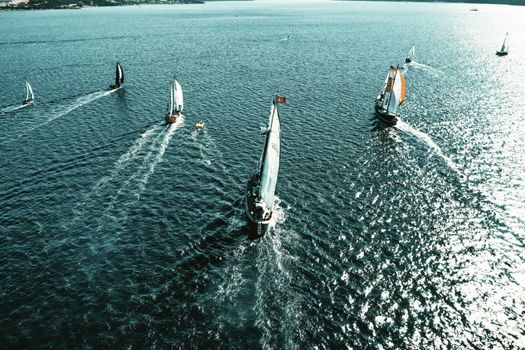
One of the most famous milestones in yacht design and racing was the 1851 America’s Cup, won by the schooner "America." The design of "America," with its sharp bow and innovative hull shape, revolutionized competitive yachting and set new standards for speed and efficiency.
20th Century: Modern Materials and the Rise of the Superyacht
The 20th century saw yacht design transition from handcrafted wooden vessels to engineering marvels utilizing cutting-edge materials. The introduction of aluminum and fiberglass in the 1950s and 1960s made yachts lighter, stronger, and easier to maintain. These materials also allowed for more daring and creative shapes, further distinguishing luxury yachts from their predecessors.
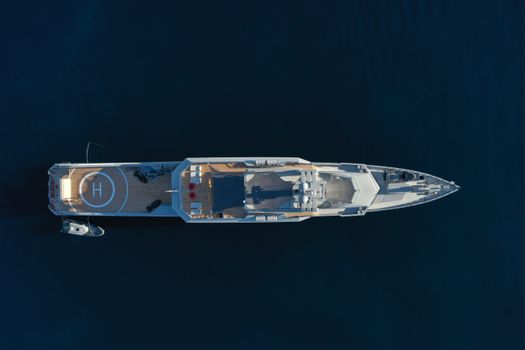
The post-war economic boom led to the rise of the “superyacht” — vessels exceeding 24 meters (about 79 feet) in length, designed for private luxury rather than racing or exploration. By the 1980s, superyachts became the ultimate status symbol among the world’s elite, featuring amenities such as swimming pools, helipads, and even miniature submarines.
To illustrate the transformation, consider that in 1960, the world’s largest private yacht, "Savarona," measured 136 meters. By 2023, the largest was "Azzam," stretching an incredible 180 meters and capable of reaching speeds of over 30 knots thanks to advanced propulsion systems.
21st Century: Innovation, Sustainability, and Smart Design
In the 21st century, yacht design has embraced two defining trends: sustainability and smart technology. With growing awareness of environmental impact, designers and builders are adopting greener materials, hybrid propulsion systems, and energy-efficient layouts. According to the International Council of Marine Industry Associations (ICOMIA), over 35% of new yachts in 2022 included some form of hybrid or electric propulsion.
Smart technology is transforming both the user experience and safety. Integrated control systems allow owners to manage lighting, climate, and entertainment from a single touchscreen or smartphone app. Advanced navigation aids, stabilized hulls, and automated anchoring make yachting safer and more accessible than ever before.
Designers are also focusing on maximizing the connection between yacht and sea. Expansive windows, fold-out balconies, and open-plan interiors blur the line between indoor comfort and outdoor adventure. Yachts like "Artefact" and "Black Pearl" epitomize this modern philosophy, combining innovative aesthetics with eco-friendly engineering.
Key Milestones in Yacht Design: A Comparative Overview
The following table highlights some of the most significant milestones in the evolution of yacht design, comparing early trends to modern innovations.
| Era | Materials | Design Focus | Typical Features | Notable Example |
|---|---|---|---|---|
| 17th-18th Century | Wood (Oak, Teak) | Speed, Prestige | Ornate carvings, sails, limited comfort | Royal Yacht "Mary" |
| 19th Century | Wood, Iron, Steel | Racing, Innovation | Sleek hulls, steam engines, yacht clubs | Schooner "America" |
| Mid-20th Century | Aluminum, Fiberglass | Luxury, Performance | Lighter hulls, modern engines, radar | SY "Savarona" |
| Late 20th Century | Composites, Stainless Steel | Superyacht Luxury | Pools, helipads, advanced navigation | MY "Lady Moura" |
| 21st Century | Eco-Materials, Carbon Fiber | Sustainability, Smart Tech | Hybrid engines, touch controls, panoramic windows | MY "Artefact" |
Designers and Builders: Architects of the Sea
The evolution of yacht design wouldn’t be possible without visionary designers and builders. Pioneers like William Fife III in Scotland and Nathanael Herreshoff in the United States shaped the early racing yacht scene, introducing revolutionary hull designs and rigging systems.
In the 20th and 21st centuries, renowned designers like Jon Bannenberg, Tim Heywood, and Espen Øino have redefined luxury and aesthetics on the water. Shipyards such as Feadship (Netherlands), Lürssen (Germany), and Benetti (Italy) are synonymous with cutting-edge craftsmanship and technological prowess.
Modern design studios combine traditional naval architecture with advanced 3D modeling, virtual reality visualization, and computer-aided manufacturing. The result is a new generation of yachts that are not only beautiful and comfortable but also remarkably efficient and sustainable.
The Influence of Culture and Technology
Yacht design is a mirror of its times, reflecting both cultural trends and technological progress. In the Victorian era, yachts displayed elaborate woodwork and gilded interiors, echoing the opulence of grand estates. The Art Deco period of the 1920s and 1930s introduced bold lines and geometric patterns, making their way into streamlined hulls and interior decor.
Today, minimalism, environmental responsibility, and seamless connectivity are the hallmarks of yacht design. The global nature of the yachting industry means that influences from Scandinavian simplicity to Mediterranean indoor-outdoor living can be found aboard the same vessel.
Technology has also had a profound impact. Computer-aided design (CAD) allows for precise hull optimization, while advanced materials like carbon fiber boost strength and reduce weight. Satellite communications, solar panels, and zero-emission engines are increasingly standard features on high-end yachts.
Conclusion: The Endless Horizon of Yacht Design
From their roots as practical vessels for chasing pirates to today’s floating mansions powered by artificial intelligence and clean energy, yachts have always been at the cutting edge of design and innovation. Each era leaves its imprint, combining timeless elegance with the latest technology to create vessels that capture the imagination.
As designers continue to push boundaries—experimenting with new shapes, sustainable materials, and smart systems—the future of yacht design promises even greater comfort, safety, and harmony with the sea. Whether admired in a harbor or slicing through open water, yachts remain powerful symbols of human ingenuity and our enduring fascination with the ocean.