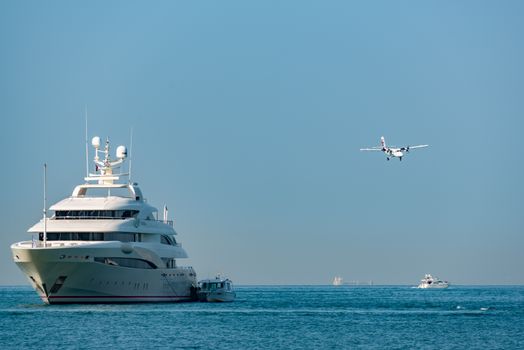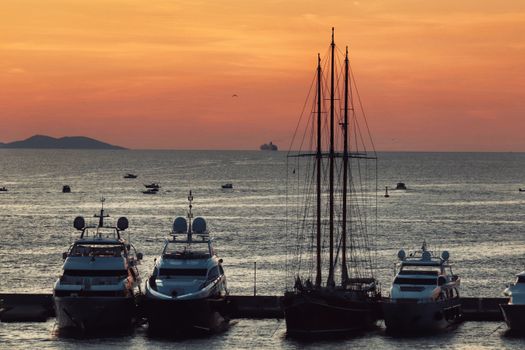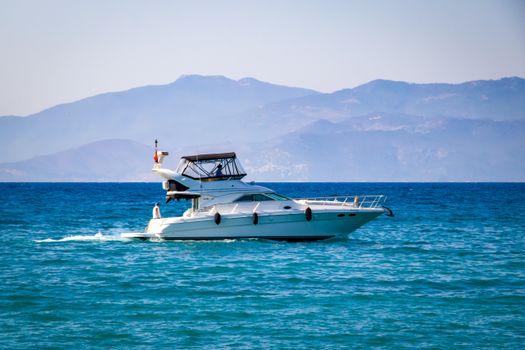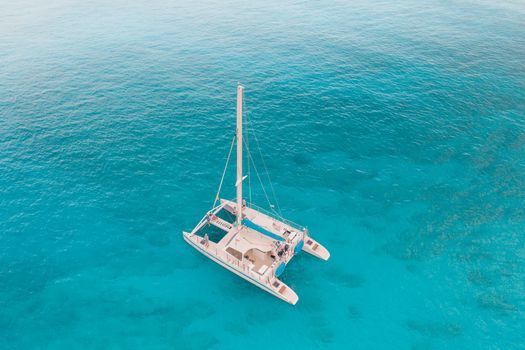
The world of yachting has long been associated with exclusivity, luxury, and the privilege of a select few. Traditional yacht ownership often demands substantial upfront investments, ongoing maintenance, and the commitment of both time and resources. However, a new model is emerging that is democratizing access to the yachting lifestyle: fractional yacht ownership. This innovative approach is rapidly transforming the way people set sail, appealing to a broader demographic and redefining the very meaning of yacht ownership. From increased accessibility to environmental benefits and a strong sense of community, fractional yacht ownership is making waves that are rippling through the entire maritime industry.
How Fractional Yacht Ownership Works
Fractional yacht ownership is a model where multiple individuals or families jointly own a yacht, each holding a share of the vessel. Typically, ownership is divided into fractions—commonly between 4 and 12 owners per yacht. Each owner receives a set number of weeks per year to use the yacht, managed through a rotating or flexible schedule.
Unlike traditional timeshare models, fractional ownership confers actual equity in the yacht. Owners share the costs of purchase, maintenance, insurance, and crew, significantly reducing individual financial burdens. Professional management companies often handle logistics, bookings, and upkeep, ensuring a seamless experience for all shareholders.
.png)
For example, a 2023 report by The Superyacht Group highlighted that fractional ownership can reduce individual yacht costs by up to 75% compared to sole ownership, depending on the vessel’s size and the number of owners. Additionally, with dedicated concierge services and access to global fleets, fractional owners enjoy many of the same privileges as sole owners—without the hassle.
Expanding Accessibility: Opening the Seas to More People
One of the most striking impacts of fractional yacht ownership is its role in breaking down financial barriers. Traditionally, the cost of owning a 60-foot luxury yacht, including purchase price, crew salaries, maintenance, fuel, and dockage, can exceed $1 million per year. With fractional ownership, these costs are spread among the owners, often reducing annual expenses to as little as $100,000 per share.
This model has attracted a new generation of yacht enthusiasts—entrepreneurs, young families, and professionals who may have previously viewed yacht ownership as unattainable. According to a 2022 survey by International Yacht Brokers Association, over 40% of first-time yacht owners in the 35-55 age group opted for fractional arrangements. This shift is diversifying the yachting community and fostering a more inclusive environment on the seas.
Furthermore, fractional programs often include access to a fleet of yachts in different locations. This means owners can experience Mediterranean coasts one season and Caribbean waters the next, all under a single ownership structure. Such flexibility is rarely available to traditional yacht owners without incurring significant additional costs.
Environmental and Operational Advantages
Fractional yacht ownership is not just about affordability—it’s also proving to be a more sustainable way to enjoy the yachting lifestyle. Traditional ownership often leads to underutilized vessels, with studies showing that private yachts are inactive up to 90% of the time. This inefficiency results in wasted resources, higher emissions per voyage, and unnecessary marina congestion.
With shared ownership, yachts are used more consistently throughout the year, maximizing the vessel’s operational lifespan and lowering the per-owner environmental footprint. Management companies can implement standardized maintenance schedules, leading to better fuel efficiency and reduced wear-and-tear. Some fractional fleets are even investing in hybrid or eco-friendly yachts, further reducing the environmental impact.
Data from the European Boating Industry revealed that fractional programs can achieve up to 50% higher utilization rates compared to traditional ownership, translating to more efficient use of resources and a smaller carbon footprint per owner.
Fractional Ownership vs. Traditional Ownership: A Comparative Overview
To better understand the transformative power of fractional yacht ownership, it helps to compare its key features with those of traditional yacht ownership. The table below highlights the main differences:
| Feature | Fractional Yacht Ownership | Traditional Yacht Ownership |
|---|---|---|
| Initial Investment | Typically 10-25% of full yacht cost (shared among owners) | 100% of yacht cost paid by single owner |
| Annual Maintenance Costs | $50,000–$150,000 per owner (shared) | $200,000–$1,000,000+ (sole responsibility) |
| Usage Flexibility | Scheduled weeks per year, option to swap locations or vessels | Unlimited, but limited to owner’s yacht and location |
| Asset Ownership | Real equity in the yacht, proportional to share | Full ownership rights |
| Resale Options | Can sell share through management company or secondary market | Sell entire yacht privately or through broker |
| Operational Management | Professional management company handles logistics | Owner responsible or must hire staff |
These differences highlight how fractional ownership streamlines and enhances the yachting experience for a wider audience.
Enhancing the Social Experience: Community and Networking
Fractional yacht ownership is fostering a new kind of yachting community. Instead of solitary ownership, participants often find themselves part of a network of like-minded enthusiasts. Shared ownership creates opportunities for social interaction, collaborative planning of trips, and even group events hosted by management companies.
Many fractional programs offer exclusive member events, regattas, and destination gatherings, creating a club-like atmosphere. This sense of camaraderie is especially valued by newcomers who may not have prior connections in the yachting world. According to a 2021 YachtWorld report, 68% of fractional owners said the social aspect was a key benefit, compared to just 23% of traditional owners.
These communities also serve as a resource for sharing tips, crew recommendations, and destination insights, further enriching the ownership experience.
Flexibility for Modern Lifestyles
Modern life is fast-paced and unpredictable, making it difficult for many to commit to the demands of full yacht ownership. Fractional programs are designed to accommodate busy schedules, offering flexible booking systems and the ability to trade usage weeks with other owners.
Some providers even allow owners to access different types of vessels within their fleet, catering to varying trip sizes and preferences. For example, a family might choose a spacious motor yacht for a summer holiday and then swap for a sporty sailing yacht for a weekend getaway.
Additionally, as remote work becomes more prevalent, some fractional owners are using yachts as floating offices, taking advantage of high-speed internet and on-board amenities. This adaptability ensures that yacht usage fits seamlessly into diverse lifestyles, maximizing both value and enjoyment.
Changing the Industry: Impacts and Future Outlook
The rise of fractional yacht ownership is reshaping the maritime industry in several important ways. Yacht manufacturers are now designing vessels specifically for shared ownership, prioritizing flexible layouts and enhanced durability. Management companies are investing in advanced digital platforms to streamline bookings and communication.
Industry analysts predict continued growth in the fractional model. According to Allied Market Research, the global yacht charter market—including fractional programs—was valued at $10.91 billion in 2021 and is projected to reach $15.9 billion by 2027, with fractional ownership playing a significant role in this expansion.
As the concept matures, secondary markets for fractional shares are becoming more robust, giving owners confidence in their investment’s liquidity. Insurance products and legal frameworks tailored to shared ownership are also evolving, further legitimizing and protecting participants.
Ultimately, fractional yacht ownership is not only changing the way people sail—it’s expanding the very definition of who can participate in the yachting lifestyle.