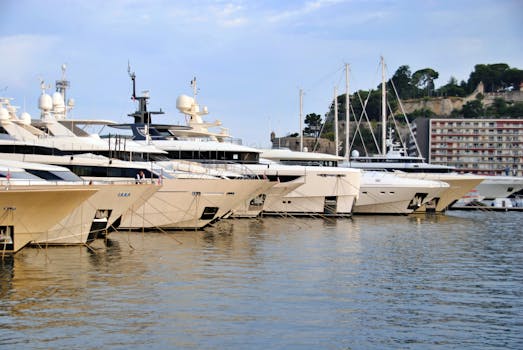
The Mediterranean Sea is a dream destination for yacht enthusiasts, renowned for its azure waters, historical coastlines, and vibrant ports. As fractional yacht ownership surges in popularity—offering a cost-effective path to luxury boating—one crucial decision stands out: where should you base your yacht? The right location can unlock unforgettable experiences, maximize your investment, and provide ease of use. But with over 46,000 kilometers of coastline and hundreds of marinas, how do you choose the ideal base for your shared yacht in the Mediterranean?
This comprehensive guide will help you navigate the factors, statistics, and local nuances that matter most in selecting a fractional yacht ownership location. Whether you crave glamour, convenience, privacy, or adventure, understanding the Mediterranean’s regional offerings will set the course for your yachting lifestyle.
Understanding the Importance of Location in Fractional Yacht Ownership
Selecting the right homeport isn’t simply about finding a beautiful place to dock your yacht. The location affects almost every aspect of your co-ownership experience, from travel logistics and marina fees to maintenance, local regulations, and the type of cruising you can enjoy.
.png)
Here’s why location matters:
- Accessibility: A yacht moored near major airports or cities is easier and cheaper to reach, making spontaneous getaways feasible. - Seasonal Conditions: The Med’s climate varies by region, influencing when and how long you can sail comfortably. - Cost: Marina fees, local taxes, and service availability can differ dramatically—some ports cost three times more than others. - Lifestyle: From the jet-set scene of the French Riviera to the tranquil coves of the Ionian Islands, location shapes your onboard and onshore experiences. - Resale Value: Yachts based in sought-after locations tend to retain value and attract more buyers.According to the European Boating Industry, more than 60% of all Mediterranean yacht owners cite “location convenience” as their primary factor in selecting a homeport. For fractional owners, who must coordinate among several co-owners, strategic location is even more crucial.
Key Factors to Consider When Choosing a Mediterranean Yacht Base
Before looking at specific regions, it’s essential to weigh the main factors that should guide your decision. Here are the core considerations for fractional yacht owners:
1. Accessibility for All Co-Owners Fractional ownership means sharing your yacht with other individuals or families. The base marina should be easy to reach for everyone involved. Check for direct flights, reliable road networks, and public transport links. For example, Nice Côte d’Azur Airport serves over 14 million passengers annually, making the French Riviera one of the most accessible Mediterranean yachting regions. 2. Marina Facilities and Services High-quality marinas offer secure berths, technical support, fueling, cleaning, and storage. Look for marinas with 24/7 security, experienced staff, and reputable service providers. Some marinas, like Marina di Porto Montenegro, are renowned for their luxury amenities and comprehensive yacht services. 3. Local Rules, Taxes, and Paperwork Each Mediterranean country has its own regulations regarding yacht registration, VAT, and cruising permits. Italy, for instance, charges a luxury tax on larger vessels, while Greece offers favorable tax rules for certain types of ownership. Make sure the base location aligns with your ownership structure and budget. 4. Cruising Grounds and Destinations Consider what kind of sailing you want: short hops between glamorous ports, secluded anchorages, or open water passages. The Balearic Islands offer diverse cruising within a compact area, while the Greek Islands provide endless exploration with over 6,000 islands and islets. 5. Seasonal Weather Patterns The Med generally offers a long sailing season, but some areas are more affected by strong winds (like the Mistral in southern France) or seasonal closures. Research wind patterns, storm risks, and marina availability during the off-season.Comparing the Top Mediterranean Regions for Fractional Yacht Ownership
Let’s explore how the main Mediterranean regions stack up for fractional yacht owners. The table below highlights key data for each:
| Region | Main Airports | Avg. Marina Fees (€/m/year) | Sailing Season | Unique Features |
|---|---|---|---|---|
| French Riviera | Nice, Marseille | 900-2,000 | April–October | Glamour, luxury marinas, top events |
| Balearic Islands | Palma de Mallorca | 600-1,500 | April–October | Diverse cruising, vibrant nightlife |
| Italian Coast | Rome, Naples, Genoa | 700-1,600 | May–October | Cultural gems, cuisine, varied scenery |
| Croatian Adriatic | Split, Dubrovnik | 500-1,200 | May–September | Over 1,000 islands, clear waters |
| Greek Islands | Athens, Corfu | 400-1,000 | April–October | Historic sites, affordable marinas |
| Montenegro | Tivat, Podgorica | 450-1,100 | April–October | Low taxes, new luxury marinas |
For example, a 15-meter yacht in St. Tropez can cost over €25,000 per year in marina fees, while the same yacht in a premium Croatian marina might cost less than €10,000. This stark difference significantly impacts the total cost of fractional ownership.
Regional Highlights: What Each Area Offers Fractional Owners
Choosing a region isn’t just about price or accessibility—it’s about what you want from your Mediterranean yachting experience.
French Riviera For those who crave glamour and social buzz, the French Riviera is unmatched. Home to world-famous marinas like Port Hercule (Monaco) and Port Vauban (Antibes), it offers access to the Cannes Film Festival, Monaco Grand Prix, and an elite social scene. However, expect the highest marina fees and strict regulations, especially during peak season.
Balearic Islands Mallorca, Ibiza, Menorca, and Formentera combine cosmopolitan energy with natural beauty. The islands are perfect for owners who want a mix of buzzing nightlife and tranquil coves. Palma’s marinas are modern and well-serviced, and the islands’ compact geography makes for easy cruising.
Italian Coast Italy’s Ligurian and Amalfi coasts, along with Sardinia and Sicily, offer a blend of history, stunning landscapes, and culinary delights. Ports like Porto Cervo (Sardinia) attract luxury-seekers, while smaller marinas offer authentic local experiences. Be aware of Italy’s luxury tax and somewhat complex bureaucracy.
Croatian Adriatic Croatia has rapidly become a favorite for yacht owners, thanks to over 1,000 islands, affordable berthing, and crystal-clear waters. Split and Dubrovnik are easily accessible, and the region is known for excellent sailing conditions and friendly regulations for foreign yacht owners.
Greek Islands Greece offers perhaps the most diverse cruising grounds in the Mediterranean, with the Cyclades, Ionian, and Dodecanese islands each offering unique histories and landscapes. Marina fees are among the lowest in the region, and a wealth of anchorages means you can easily escape the crowds.
Montenegro A rising star in the yachting world, Montenegro combines low taxes, brand-new luxury marinas (like Porto Montenegro), and a strategic location near both the Adriatic and the Ionian seas. It’s particularly attractive to owners seeking favorable tax and import regulations.
Logistics: Balancing Travel, Services, and Co-Owner Needs
One of the most overlooked aspects of selecting a base is how easily all co-owners can use the yacht. For a successful fractional ownership arrangement, consider:
- Direct Flights: Choose marinas within an hour’s drive of an international airport. In 2023, Split Airport in Croatia handled 3.3 million passengers, offering direct connections to over 100 European destinations. - Year-Round Services: Some marinas offer full services only during peak season. Verify if off-season maintenance, security, and concierge services are available. - Local Support: Ensure there’s an established network of yacht agents, maintenance providers, and provisioning companies. This is vital for efficient turnarounds between owners. - Flexibility in Usage: Some locations (like the Balearics and Greek Islands) allow one-way cruising, making it easier for owners to start and finish their trips in different ports.Fractional ownership companies often offer multi-base options, where your yacht can be repositioned according to the season or owner preferences. This flexibility can be a game-changer for maximizing enjoyment and equity.
Legal and Regulatory Considerations for Mediterranean Yacht Bases
Legal compliance is critical in the Mediterranean, where rules can change from country to country and even from port to port. Here are some regulatory points to consider:
- VAT and Import Duty: In the EU, yachts must comply with VAT rules. Greece and Croatia often have lower effective VAT rates for yacht use versus France or Spain. - Flag Registration: The country where your yacht is registered can affect taxes, crew requirements, and resale value. - Cruising Permits: Some countries require special permits for foreign-flagged yachts or restrict how long you can stay in their waters. - Environmental Rules: Mediterranean countries increasingly enforce eco-friendly regulations, such as no-anchoring zones to protect seagrass beds (notably in the Balearics).Work with a reputable yacht management company or maritime lawyer to ensure your chosen base won’t inadvertently create legal or financial headaches.
Making the Final Choice: Matching Location to Your Ownership Goals
Ultimately, the perfect location for your fractional yacht depends on your priorities—be it cost, convenience, adventure, or prestige. Ask yourself and your co-owners:
- How often will you use the yacht each year, and during which months? - Is social scene or seclusion more important? - Do you prefer exploring many destinations or returning to a favorite homeport? - What is your tolerance for paperwork and regulatory complexity?Many fractional yacht owners start with a primary base and then experiment with other regions over time. Some companies even allow you to swap weeks between different locations, maximizing both adventure and practicality.