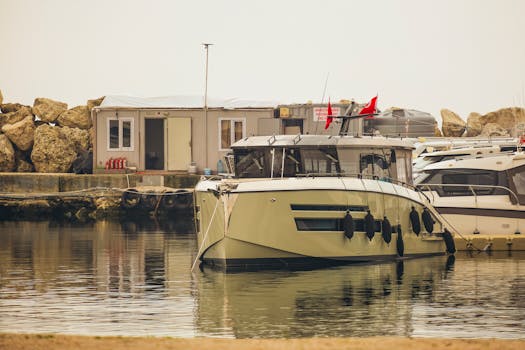
The Future of Fractional Yachting: Trends and Innovations in 2025
The world of luxury boating is evolving rapidly, and nowhere is this more evident than in the burgeoning field of fractional yachting. Once seen as a niche option, fractional yacht ownership has moved into the mainstream, offering an alluring blend of exclusivity, flexibility, and affordability. As we approach 2025, new trends and innovations are reshaping how enthusiasts experience the open seas. From digital platforms that simplify ownership to eco-friendly vessels and global cruising networks, the future of fractional yachting is brighter—and more accessible—than ever before.
Fractional Yachting in 2025: A Snapshot of the Market
Fractional yachting, which allows multiple parties to co-own a yacht and share its usage and costs, has seen remarkable growth. According to Allied Market Research, the global yacht charter market—of which fractional ownership is a key segment—was valued at $15.2 billion in 2023 and is projected to reach $25.5 billion by 2028, growing at a CAGR of 11%. This surge is fueled by younger, tech-savvy consumers and a post-pandemic desire for flexible, private travel options.
By 2025, over 30% of new yacht sales in the premium 40-80 foot segment are expected to be through fractional or shared ownership models. This shift is prompting yacht manufacturers and operators to design vessels and services specifically for fractional use, integrating easy maintenance, modular amenities, and smart scheduling systems.
.png)
Smart Technology: The Digital Transformation of Fractional Yachting
One of the most significant trends revolutionizing fractional yachting is the integration of smart technology. In 2025, digital platforms are not just an added convenience—they are essential for seamless co-ownership.
Mobile apps and cloud-based management systems now enable co-owners to schedule usage, arrange cleaning and maintenance, and even split costs in real-time. Blockchain-powered smart contracts are being adopted to ensure transparency and automate fractional agreements, minimizing the risk of disputes.
For example, YachtCloud, a leading digital platform, reported a 60% increase in user engagement after launching its all-in-one scheduling and billing app in 2024. Real-time GPS tracking, AI-powered itinerary planning, and digital check-ins are now standard features, providing co-owners with confidence and control from their smartphones.
Sustainability and Eco-Innovation: The Green Wave
Sustainability is no longer just a buzzword; it’s a core driver for innovation in the yachting industry. In 2025, fractional yachting is leading the adoption of eco-friendly technologies, as co-owners increasingly prioritize environmental responsibility.
Hybrid propulsion systems, solar panels, and advanced water purification systems are becoming common in new fractional fleets. Over 45% of fractional yacht buyers in a 2024 European Marine Industry Survey indicated that a vessel’s environmental footprint was a top deciding factor.
Some of the most notable eco-innovations include:
- Hybrid-electric engines reducing fuel consumption by up to 30% - Onboard waste management systems that cut single-use plastic by 80% - Solar-powered amenities that supply up to 20% of on-board energy needsThese advances not only reduce environmental impact but also lower operating costs for co-owners, making sustainable yachting a win-win.
Global Access: Expanding Horizons with Networked Ownership
The traditional model of co-owning a single yacht in one location is being replaced by global networked ownership. In 2025, leading fractional yachting clubs and platforms offer access to curated fleets in premier destinations worldwide.
With reciprocal usage agreements, members can seamlessly enjoy yachts in the Mediterranean, Caribbean, Southeast Asia, and beyond—often with just a few clicks on an app. Companies like SeaNet and Yachtico have expanded their fleets to over 20 international marinas, giving owners unprecedented flexibility.
This global model also addresses common pain points in traditional ownership, such as underutilization and high maintenance costs. According to a 2024 survey by the International Yachting Association, networked fractional owners reported using their yachts 40% more days per year than traditional owners, thanks to flexible booking and multiple geographic options.
Comparing Fractional Yachting Models: Data Overview
With so many innovations, how do the different models of fractional ownership stack up? The following table provides a comparison of three dominant models in 2025: Classic Fractional Ownership, Digital Co-Ownership Platforms, and Global Networked Memberships.
| Model | Avg. Upfront Cost (USD) | Flexibility | Tech Integration | Access Locations | Avg. Annual Use (Days) |
|---|---|---|---|---|---|
| Classic Fractional Ownership | $150,000 | Low-Medium | Basic | 1-2 | 28 |
| Digital Co-Ownership Platforms | $100,000 | High | Advanced | 3-5 | 35 |
| Global Networked Memberships | $80,000 | Very High | Cutting-Edge | 10+ | 42 |
As the table shows, newer models provide greater flexibility, more advanced technology, and expanded access—often at a lower entry cost.
Personalization and Concierge Services: A Tailored Experience
In 2025, personalization is at the heart of the fractional yachting experience. Yacht operators are leveraging data analytics and AI to anticipate owners’ preferences, streamline onboard services, and deliver bespoke experiences.
Some of the most popular innovations include:
- AI-powered provisioning that stocks yachts with favorite foods, drinks, and water toys before arrival - On-demand crew selection based on user ratings and past preferences - Smart itinerary generators that adapt to weather, events, and owner interestsAccording to a 2024 report by the Luxury Yachting Council, 67% of fractional owners cited high-quality concierge services as a key reason for renewing their memberships. This shift towards hyper-personalization is attracting a new generation of yacht enthusiasts who value both luxury and convenience.
Challenges and Opportunities: Navigating the Future of Fractional Yachting
While the outlook for fractional yachting in 2025 is promising, there are challenges to address. Regulatory frameworks for shared yacht ownership are still catching up, especially in emerging markets. Insurance and liability issues remain complex, particularly for global networked models.
However, these challenges are driving further innovation. Insurtech companies are developing flexible policies tailored to co-ownership, while legal-tech startups are automating compliance and documentation. As these solutions mature, fractional yachting is poised to become even more accessible and secure.
Opportunities abound for investors, yacht manufacturers, and travel entrepreneurs. With the rapid pace of technological and service innovation, the sector is expected to grow by an additional 12% annually through 2028, outpacing traditional yacht sales.
The Road Ahead: Fractional Yachting’s Impact on Luxury Boating
As we look ahead to 2025 and beyond, it’s clear that fractional yachting is redefining luxury boating for a new era. The convergence of technology, sustainability, and global access is democratizing yacht ownership, making it more flexible, eco-friendly, and tailored to the needs of modern adventurers.
With digital platforms simplifying the co-ownership experience, eco-innovations reducing environmental footprints, and concierge services delivering personalized luxury, fractional yachting is set to attract an even broader demographic in the years to come. For those seeking the thrill of the open sea—without the burdens of sole ownership—the future has never looked more inviting.