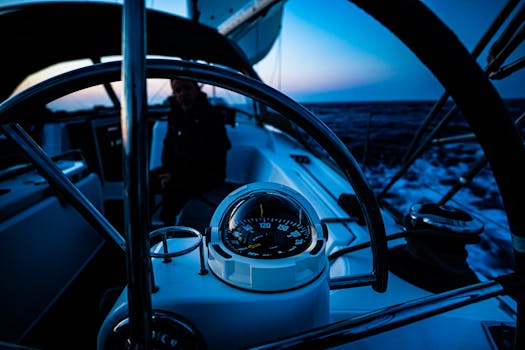
Fractional yacht ownership has quietly revolutionized the way many people experience luxury, travel, and leisure. For decades, yacht ownership was reserved for the ultra-wealthy, those willing to shoulder the immense costs and responsibilities of maintaining a floating palace. But in recent years, a new wave of yacht enthusiasts—business owners, families, retirees, and adventure-seekers—are discovering a smarter, more flexible approach. Through the voices and stories of real owners, this article digs into how fractional yacht ownership is reshaping lives, relationships, and the very definition of freedom on the water.
Redefining Luxury: From Dream to Reality
For many, the idea of stepping aboard a private yacht was once just a distant dream. The average cost of a new 70-foot yacht can exceed $2 million, with annual operating expenses ranging from $200,000 to $300,000. These staggering numbers often kept yachting out of reach.
Fractional yacht ownership, where multiple parties co-own and share usage of a single vessel, has shattered these barriers. According to a 2023 report by the Global Yacht Market Analysis, participation in fractional programs has grown by 35% since 2019. Owners often invest between 10% and 25% of a yacht's value, drastically reducing upfront costs while still accessing high-end amenities and prime sailing locations.
.png)
Take the case of the Martin family from Munich. After years of chartering, they purchased a one-eighth share in a Mediterranean-based yacht. "Suddenly, we had access to the same level of luxury for a fraction of the cost," says Claudia Martin. "It was a gateway to a new lifestyle—one we could actually sustain."
The Social Dimension: Building Communities on the Water
Beyond the material perks, many owners describe an unexpected benefit: a vibrant new social life. Fractional ownership often brings together like-minded individuals and families who share similar values, interests, and a passion for the sea.
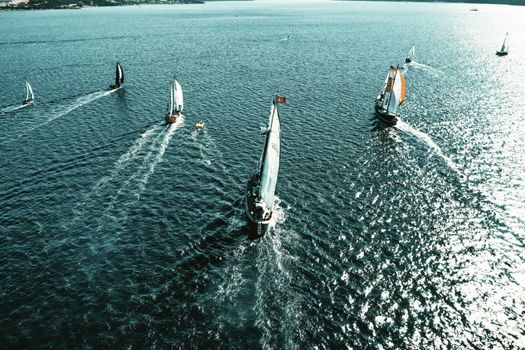
Yacht management companies frequently organize events, regattas, and meet-ups for their owners. These gatherings foster lasting friendships and business connections. According to a 2022 survey by YachtLife, 68% of fractional owners reported meeting new friends through their ownership group, and 41% said they’d collaborated on business projects with fellow owners.
For example, John and Alyssa Stewart, both entrepreneurs, credit their yacht co-ownership for helping them expand their business network. "We've met people from all over Europe and the Middle East," John shares. "The yacht is more than a luxury—it’s a platform for connection and opportunity."
Freedom and Flexibility: Travel Without the Headaches
Traditional yacht ownership comes with a web of complexities: marina bookings, maintenance schedules, insurance, and crew management. For many, these logistics overshadow the joys of the open sea. Fractional ownership shifts these burdens to professional management companies, freeing owners to focus on enjoyment.
Sophia R., a fractional owner based in London, explains, "I used to spend more time on paperwork than on the water. Now, from booking to provisioning, everything is handled. I just show up and sail away."
Owners typically reserve their yacht for several weeks per year, spread across different seasons and destinations. Some programs offer global fleets, letting owners sail in the Caribbean, Mediterranean, or Southeast Asia—all under one agreement.
Cost Comparison: Fractional Ownership vs. Traditional Yacht Ownership
One of the most compelling factors driving the shift toward fractional ownership is the financial model. Let’s compare the numbers for a typical 60-foot yacht.
| Expense Category | Traditional Ownership (Annual) | Fractional Ownership (1/8 Share, Annual) |
|---|---|---|
| Initial Purchase Price | $1,200,000 | $150,000 |
| Annual Maintenance | $80,000 | $10,000 |
| Insurance | $12,000 | $1,500 |
| Crew & Management Fees | $60,000 | $7,500 |
| Depreciation (5 years) | $400,000 | $50,000 |
| Total Annual Cost | $152,000 | $19,000 |
These savings are not just theoretical. According to the International Yacht Brokers Association, fractional owners, on average, reduce their total annual yachting expenses by 70%-85% compared to sole ownership. This efficiency allows many to redirect funds towards more frequent travel, upgrades, or other leisure pursuits.
Real-Life Transformations: Owner Stories and Outcomes
Numbers only tell part of the story. The true impact of fractional yacht ownership comes to life through the testimonials and journeys of those who have embraced it.
- $1 Mark and Linda, both retired educators, used to vacation in coastal resorts twice a year. Since joining a fractional program, they spend over 40 days annually exploring different Mediterranean islands. "We’ve visited 15 countries in two years, and every trip feels unique," says Linda. "It’s broadened our horizons in ways we never imagined." - $1 The Singhs, a family of four from Dubai, found that yacht co-ownership created new opportunities for quality time. "Our children have learned to sail, fish, and appreciate marine life," says Mr. Singh. "It’s an education and adventure rolled into one." - $1 For Anna, a tech executive based in Geneva, the flexibility of fractional ownership fits her demanding schedule. "I can book a week in advance, host clients, or unwind with my family. It’s a luxury that works for my lifestyle, not the other way around."These stories underscore a common theme: fractional yacht ownership is not just about saving money—it’s about enriching life, fostering new skills, and making precious memories.
Challenges and Considerations: What Owners Should Know
While the benefits are substantial, fractional yacht ownership isn’t without its challenges. Owner experiences reveal a few key considerations:
- $1 While most programs use fair reservation systems, peak times (like summer holidays) can be competitive. Some owners recommend being flexible or planning early. - $1 Major upgrades or changes to the yacht require agreement among co-owners. Effective communication and clear agreements are crucial. - $1 Selling a fractional share can take longer than selling a whole yacht, though many management companies now offer buy-back programs or facilitate resale. - $1 Unlike sole ownership, personalization options (decor, equipment) are often limited to maintain consistency for all owners.Despite these factors, satisfaction remains high. According to a 2023 survey by SharedYacht, 87% of fractional owners said they would recommend the model to friends or family, citing "convenience" and "value" as primary reasons.
How Fractional Yacht Ownership Is Shaping the Future of Yachting
The rise of fractional yacht ownership is more than a trend—it's rapidly becoming a cornerstone of the modern yachting industry. Boat manufacturers and management firms are now designing vessels and programs specifically for shared ownership, with features like modular cabins, flexible layouts, and high-tech reservation systems.
Environmental awareness is also growing. By maximizing the usage of each yacht, fractional models reduce the overall number of vessels needed, lessening environmental impact. Some companies are investing in hybrid or electric yachts, appealing to eco-conscious owners.
Looking ahead, industry experts predict continued growth. The global fractional yacht market is expected to exceed $1.2 billion by 2027, with new programs emerging in Asia, the Americas, and beyond.
For owners, this evolution means more choices, better services, and an ever-expanding world of adventures on the water—without the traditional barriers of cost and complexity.