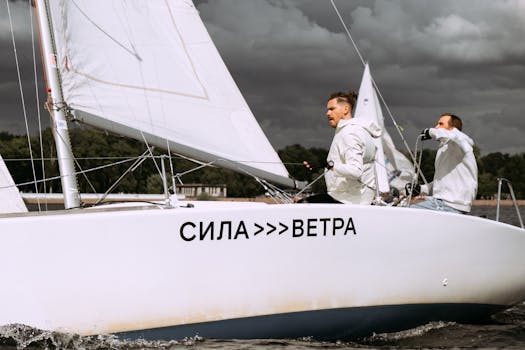
Fractional Yacht Ownership: A Sustainable Shift in Yachting’s Future
Yachting has long been associated with luxury, freedom, and adventure, but it has also faced criticism for its environmental footprint. Traditional yacht ownership is resource-intensive, often resulting in underutilized vessels and disproportionate environmental impacts. However, a new wave of eco-consciousness is sweeping through the industry, driven by innovative models like fractional yacht ownership. This approach not only makes yachting more accessible but also plays a pivotal role in promoting sustainability. In this comprehensive article, we’ll explore how fractional yacht ownership supports sustainability in yachting, examining its benefits, eco-impacts, and practical examples.
The Environmental Challenges of Traditional Yachting
Before understanding how fractional ownership helps, it’s important to consider the environmental challenges posed by conventional yacht ownership. Private yachts, especially those over 24 meters, can consume up to 500 liters of diesel per hour at cruising speed. According to the International Council of Marine Industry Associations (ICOMIA), the average private yacht is used only about 8-10% of the year—roughly 30 days annually. The rest of the time, these vessels sit idle in marinas, occupying valuable dock space and requiring maintenance, cleaning, and energy for climate control and systems upkeep.
Key environmental challenges include:
- High fuel consumption and greenhouse gas emissions - Waste generation (plastics, sewage, chemicals) - Toxic antifouling paints leaching into marine ecosystems - Overcrowding of marinas and coastal infrastructure - Resource wastage due to low utilization ratesThese factors have prompted both industry leaders and eco-conscious consumers to seek more responsible alternatives. Enter fractional yacht ownership.
.png)
Fractional Yacht Ownership Explained
Fractional yacht ownership is a model where several co-owners jointly purchase and share a yacht, splitting both the costs and the usage time. Typically, ownership is divided into 4 to 8 shares, with each owner entitled to a set number of weeks or days per year. Management companies often handle maintenance, scheduling, and operations, ensuring a seamless experience.
This model fundamentally changes how yachts are acquired and used:
- Multiple owners split acquisition costs, reducing financial barriers - Usage is scheduled to maximize time on the water, minimizing idle periods - Centralized management streamlines maintenance and operations - Owners often have access to newer, more efficient vesselsAccording to a 2023 report by YachtWorld, the fractional yacht market has seen a 30% increase in Europe since 2020, and 18% globally, reflecting growing demand for both affordability and sustainability.
Maximizing Utilization: Reducing Idle Resources
The most direct sustainability benefit of fractional yacht ownership is dramatically improved utilization rates. Instead of one yacht used sporadically, a single vessel serves multiple owners throughout the year. This leads to:
- Fewer yachts required to meet demand - Reduced manufacturing and raw materials consumption - Less marina congestion and lower demand for dock spaceLet’s compare resource utilization:
| Ownership Model | Average Annual Usage | Vessels Needed for 8 Owners | Estimated Idle Time |
|---|---|---|---|
| Traditional (Individual) | 30 days per yacht | 8 yachts | ~92% |
| Fractional (Shared) | 240 days per yacht | 1 yacht | ~34% |
With a fractional model, one yacht can deliver the same experience that would otherwise require eight vessels, significantly reducing environmental impact. This efficient use of resources is a cornerstone of sustainable yachting.
Driving Demand for Greener Technology
Fractional ownership programs often focus on newer, more efficient yachts, as these are easier to manage, more reliable, and more attractive to co-owners. This focus accelerates the adoption of green technology in the yachting industry:
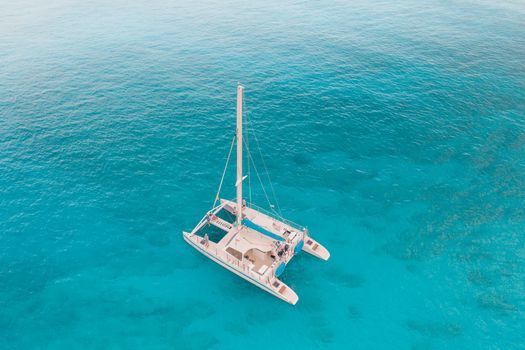
- Modern yachts feature fuel-efficient engines, hybrid propulsion, and solar panels - Advanced wastewater treatment systems minimize marine pollution - Use of sustainable materials—such as recycled composites and eco-friendly interiors—is on the riseFor example, the Sunreef 80 Eco, a solar-electric catamaran, is now available in some fractional fleets and can generate up to 36kWp from solar panels, reducing reliance on fossil fuels. Fractional ownership encourages fleet upgrades, as management companies can amortize costs over multiple users, making sustainability investments more viable.
Centralized Management: Enhancing Maintenance and Waste Reduction
Traditional private yacht owners may lack the expertise or incentive to optimize vessel maintenance for environmental performance. In contrast, fractional ownership is almost always managed by professional companies that implement standardized, eco-friendly practices:
- Eco-certified cleaning products and maintenance routines - Proper waste sorting and recycling systems onboard - Regular hull cleaning to reduce drag and improve fuel efficiency - Efficient scheduling to minimize repositioning trips and empty legsCentralized maintenance not only extends the lifespan of yachts—reducing the frequency with which new vessels are built—but also ensures compliance with the latest environmental regulations. The International Maritime Organization (IMO) notes that professionally managed fleets are 40% more likely to adopt green operational standards than privately managed vessels.
Supporting Local Communities and Sustainable Tourism
Fractional ownership also supports sustainability beyond the yacht itself. By making yachting more accessible, this model can help spread economic activity more evenly across regions, promoting responsible tourism. Fractional owners are more likely to explore diverse destinations, benefiting smaller marinas and local businesses that adhere to sustainable tourism guidelines.
A study by the European Boating Industry in 2022 found that yacht charters and fractional ownership programs contributed €1.7 billion to coastal economies, with a growing share directed towards certified eco-friendly marinas and service providers.
Furthermore, many fractional programs now include educational initiatives, encouraging owners and guests to respect marine protected areas, reduce plastic use, and support coastal conservation projects.
Case Studies: Fractional Ownership and Sustainable Yachting in Action
Several real-world examples illustrate the positive impact of fractional yacht ownership on sustainability:
- YachtShare (UK): Introduced a fleet-wide switch to biodegradable cleaning agents and low-sulphur fuels in 2023, reducing the fleet’s carbon footprint by 17%. - SeaNet Europe: Offers hybrid-powered yachts in its fractional fleet, with smart scheduling software that cut repositioning fuel use by 22% in 2022. - The Moorings: Expanded its eco-fleet in Croatia, using water-efficient cleaning systems and supporting local marine conservation non-profits via owner contributions.These initiatives demonstrate how the fractional model provides both the structure and economic incentive to implement sustainability measures that would be challenging for individual owners.
The Future: Scaling Sustainability Through Shared Ownership
As climate change and environmental concerns become more urgent, the yachting industry must adapt. Fractional yacht ownership is not a silver bullet, but it is a powerful tool for reducing resource consumption, modernizing fleets, and encouraging responsible marine tourism.
Looking ahead, several trends are likely to amplify these benefits:
- Wider adoption of electric and hydrogen-powered yachts - Integration of AI-based route optimization to minimize emissions - Expansion of blue carbon offset programs for fractional owners - Partnerships with coastal conservation projectsBy choosing fractional ownership, yachting enthusiasts can enjoy the sea responsibly—maximizing their experience while minimizing their environmental footprint.