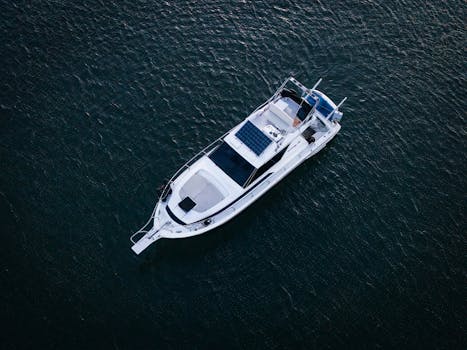
Yachting is often seen as the ultimate symbol of luxury and freedom on the seas. Yet, for many enthusiasts, the costs associated with owning a yacht outright can be daunting: purchase price, maintenance, crew salaries, insurance, and mooring fees all add up quickly. Over the past decade, fractional yacht ownership has emerged as a compelling alternative, promising to make luxury yachting more accessible while also reshaping the financial landscape of the industry. But how does this innovative model truly affect yachting costs? Let’s dive deep into the numbers, the structure, and the real-world impact of fractional yacht ownership on your wallet.
The Real Costs of Traditional Yacht Ownership
Before understanding the impact of fractional yacht ownership, it's essential to grasp what traditional yacht ownership entails financially. Purchasing a new 60-foot luxury yacht can cost anywhere from $1.5 million to $4 million depending on brand, features, and customization. But the initial purchase is just the tip of the iceberg.
Annual costs typically include:
- Maintenance and repairs: 7-10% of the yacht’s value per year (for a $2 million yacht, that’s $140,000–$200,000 annually) - Crew salaries: For a captain and two crew members, expect $120,000–$180,000 per year - Insurance: $15,000–$35,000 per year - Dockage and mooring: $20,000–$40,000 per year - Fuel and operating costs: $20,000–$50,000 per yearAdd these up, and the yearly running cost for a 60-foot yacht can easily surpass $300,000, not including the depreciation of the vessel, which is often 10–15% per year for new yachts. In reality, many owners use their yachts for only three to six weeks annually, making the cost per day of use extremely high.
.png)
Understanding Fractional Yacht Ownership
Fractional ownership divides the cost of a yacht among several co-owners (often 4–8), each of whom holds a share in the vessel. This concept is akin to a timeshare but typically involves legal ownership of an asset rather than just the right to use it. Each owner is allocated a set number of weeks or days per year and shares the ongoing operational expenses.
Key features of fractional ownership include:
- Legal co-ownership: Each party owns a percentage of the yacht - Professional management: A specialized company takes care of maintenance, scheduling, and crew - Defined usage rights: Time onboard is scheduled equitably among owners - Shared costs: Purchase price and ongoing expenses are divided, drastically lowering individual outlayFractional models have become particularly popular in Europe and the United States, with companies like Yachtico, SeaNet, and YachtShare reporting double-digit growth in demand since 2020.
Comparing the Numbers: Fractional vs. Full Ownership
To understand the cost impact, let’s compare the annual expenses of full ownership and fractional ownership for a 60-foot yacht valued at $2 million.
| Expense Category | Full Ownership (Annual) | 1/8 Fractional Share (Annual) |
|---|---|---|
| Purchase Price | $2,000,000 (one-time) | $250,000 (one-time) |
| Maintenance & Repairs | $160,000 | $20,000 |
| Crew Salaries | $150,000 | $18,750 |
| Insurance | $25,000 | $3,125 |
| Dockage & Mooring | $30,000 | $3,750 |
| Fuel & Operating | $35,000 | $4,375 |
| Total Annual Cost | $400,000 | $50,000 |
This table illustrates a stark difference: with a 1/8 fractional share, the annual cost drops from $400,000 to just $50,000, plus your share of the purchase price. If you use the yacht for six weeks per year, your cost per week is dramatically reduced compared to whole ownership.
The Impact of Shared Expenses and Usage Efficiency
One of the most significant effects of fractional yacht ownership is the efficiency in both expense and usage. When several owners share a yacht, each pays only for the portion of the year they actually use. This model eliminates the inefficiency of yachts sitting idle for most of the year (a common scenario in sole ownership, where the average private yacht is used only 10% of the time).
Operational expenses—maintenance, insurance, crew—are split evenly, and the management company ensures the yacht is run professionally, often leading to better upkeep and higher resale values. The economies of scale also mean that fractional owners get access to larger, more luxurious yachts than they might afford individually.
Additionally, many fractional programs offer flexible scheduling systems and even access to a fleet of yachts in various locations, further maximizing the value of your investment and allowing for a variety of yachting experiences.
Hidden Financial Benefits and Considerations
Beyond the obvious cost savings, fractional yacht ownership can yield several less apparent financial benefits:
- Reduced Depreciation Exposure: Since you own only a fraction, your exposure to the yacht’s depreciation is proportionately lower. For example, if a $2 million yacht depreciates by 12% ($240,000) in a year, a 1/8 owner’s share of depreciation is only $30,000. - Resale and Exit Options: Many programs allow owners to sell their shares after a minimum period or have structured resale markets, making exit easier than offloading an entire yacht. - Tax Efficiency: In some jurisdictions, shared ownership may offer tax advantages or deductions, though this varies by country and should be discussed with a tax advisor.However, there are also important considerations:
- Scheduling Conflicts: With multiple owners, prime yachting dates (such as holidays) may be in high demand. - Management Fees: Professional management companies charge annual fees for administration, which should be factored into your cost analysis. - Limited Spontaneity: Unlike sole ownership, last-minute trips may require more planning.Who Benefits Most from Fractional Yacht Ownership?
Fractional yacht ownership is not a universal solution, but it is particularly well-suited to certain types of yacht enthusiasts:
- Occasional Users: If you plan to use a yacht for a few weeks each year, fractional ownership delivers by aligning costs with actual usage. - Budget-Conscious Buyers: Those who want the luxury yachting experience without the prohibitive expense of full ownership benefit most. - First-Time Owners: For those new to yachting, the managed, low-risk environment of fractional ownership provides a gentle introduction. - Investors Seeking Flexibility: Those who value liquidity and the ability to exit or trade up appreciate the structured resale options.On the other hand, individuals who desire total control over their yacht, want to make extensive customizations, or plan to spend months at sea each year may find whole ownership more suitable.
Final Thoughts: How Fractional Yacht Ownership Is Reshaping Yachting Costs
Fractional yacht ownership is radically shifting the economics of luxury yachting. By distributing both the purchase price and operating expenses among several co-owners, it makes high-end yachting accessible to a broader audience. The numbers speak for themselves: annual costs can be reduced by 75% or more, while utilization rates and asset efficiency rise. For many, fractional ownership is the key to unlocking the dream of yachting—without the financial burden and logistical headaches of going it alone.
As the yachting industry evolves, fractional ownership models are likely to become even more sophisticated, offering greater flexibility, a wider array of vessels, and new ways to enjoy the seas. Understanding how these models affect costs is essential for anyone considering stepping aboard.