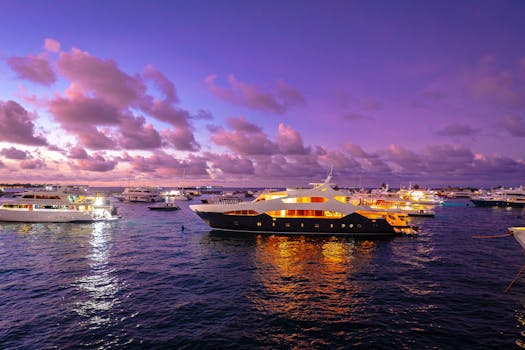
Yachting has long been synonymous with luxury and exclusivity, but the rise of fractional ownership is making this lifestyle accessible to more people than ever. If you’re intrigued by the idea of sharing a yacht and its costs with others, understanding the different types of yachts suitable for fractional ownership is crucial. Each type offers unique experiences, amenities, and investment considerations. This comprehensive guide will help you navigate the world of yachts, compare the main categories, and make an informed decision about which is best for your shared ownership adventure.
Understanding Fractional Yacht Ownership: The Basics
Fractional yacht ownership is an innovative model that allows multiple individuals to co-own a yacht, sharing the costs of purchase, maintenance, crew, and operation. Typically, a yacht is divided into 4 to 12 shares, with each owner entitled to a set number of weeks onboard annually. According to the International Yacht Brokers Association, this approach can reduce individual costs by up to 80% compared to sole ownership, making it an attractive option for those who spend limited time on the water.
Unlike traditional yacht charters, fractional ownership comes with equity. Owners may benefit from potential resale value, and the experience is often more personalized, with owners having a say in the yacht’s management and itinerary. As global demand for luxury experiences rises, the fractional yacht ownership market has grown 15% annually since 2018, according to YachtWorld's 2023 market report.
.png)
Main Types of Yachts for Fractional Ownership
Choosing the right yacht type is essential, as it impacts everything from comfort and range to maintenance and costs. Here’s a look at the primary yacht categories available for fractional ownership:
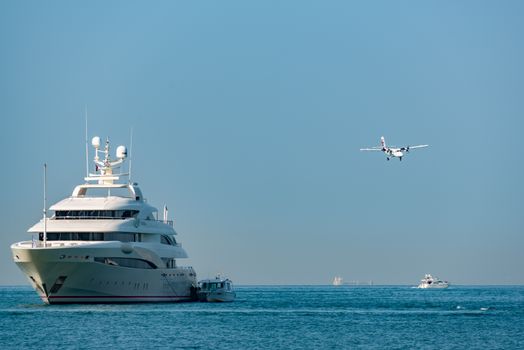
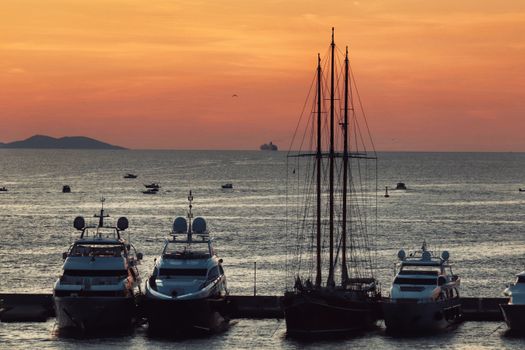
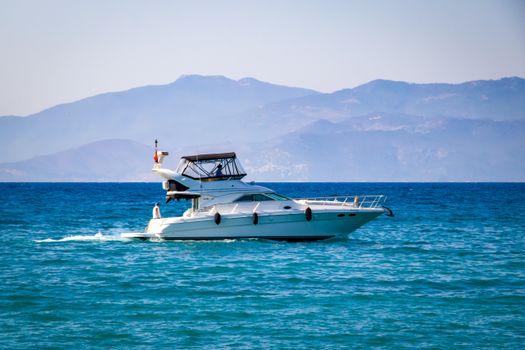
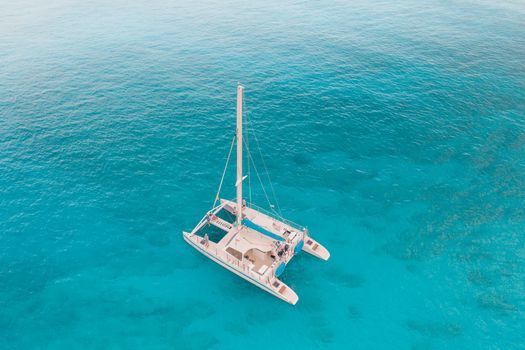
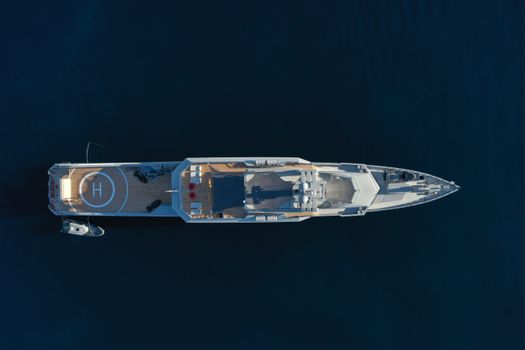
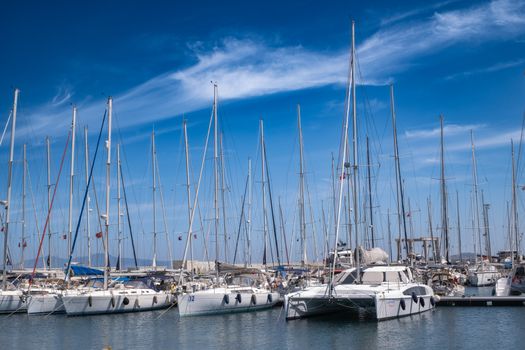
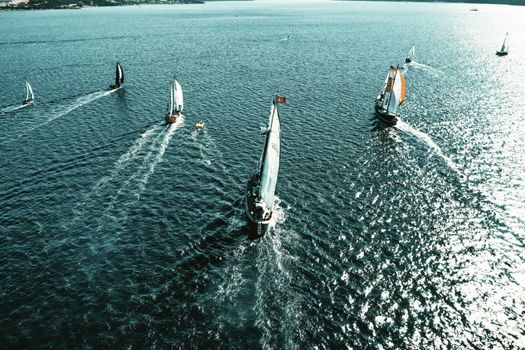
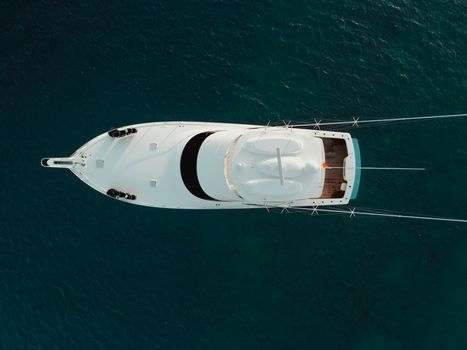
1. Sailing Yachts: Known for their elegance and eco-friendliness, sailing yachts rely primarily on wind power. Ranging from 35 to over 100 feet, they are ideal for those who enjoy the romance and challenge of traditional sailing. Sailing yachts are generally less expensive to operate but offer less interior space compared to similarly sized motor yachts. 2. Motor Yachts: These are the most popular choice for fractional ownership. Ranging from 40 to over 200 feet, motor yachts provide speed, comfort, and ample living space. They are powered by engines, making them ideal for covering long distances quickly and in style. They often feature luxurious amenities such as hot tubs, expansive sun decks, and multiple cabins. 3. Catamarans: Catamarans, both sailing and motorized, offer stability and spaciousness on the water. Their dual-hull design provides extra deck space and shallow draft, making them perfect for exploring islands and shallow bays. Catamarans are increasingly popular in fractional programs, especially in the Caribbean and Mediterranean. 4. Explorer Yachts: Built for long-range cruising and adventure, explorer yachts (also known as expedition yachts) are designed to withstand challenging sea conditions. They come equipped with advanced navigation and safety features. Owners seeking off-the-beaten-path experiences, such as polar expeditions or transoceanic voyages, often choose explorer yachts. 5. Superyachts and Mega Yachts: For those seeking the utmost in luxury, superyachts (over 100 feet) and mega yachts (over 200 feet) offer unparalleled amenities: helipads, cinemas, spas, and professional crews. Fractional ownership opportunities for these vessels are typically marketed to ultra-high-net-worth individuals and may involve more complex management structures.Comparing Yacht Types: Features, Costs, and Ideal Uses
Selecting a yacht for fractional ownership means balancing preferences, intended usage, and budget. The table below summarizes the key differences among the main types:
| Yacht Type | Typical Length | Purchase Price (USD) | Annual Operating Cost (USD) | Best For | Main Advantages |
|---|---|---|---|---|---|
| Sailing Yachts | 35-100 ft | $300,000 - $8M | $30,000 - $300,000 | Traditionalists, eco-conscious | Lower fuel costs, classic experience |
| Motor Yachts | 40-200+ ft | $500,000 - $50M | $50,000 - $2M | Families, luxury travelers | Speed, comfort, amenities |
| Catamarans | 40-100 ft | $600,000 - $6M | $40,000 - $350,000 | Groups, island hopping | Stability, spacious decks |
| Explorer Yachts | 70-250 ft | $3M - $100M | $200,000 - $6M | Adventurers, long-range cruising | Durability, range, safety |
| Superyachts/Mega Yachts | 100-300+ ft | $10M - $500M | $1M - $20M | Luxury seekers, corporate use | Ultimate luxury, full crew |
These figures are averages and actual costs can vary widely depending on age, brand, equipment, and location. For example, a 60-foot sailing yacht may cost less than a 50-foot motor yacht due to differences in propulsion and onboard systems.
Key Considerations When Choosing a Yacht for Fractional Ownership
The type of yacht is just one aspect of the fractional ownership decision. Here are several other factors to weigh:
1. Usage Patterns: How many weeks per year do you plan to use the yacht? Sailing yachts might appeal to those seeking leisurely, hands-on experiences, while motor yachts offer flexibility for short, luxurious getaways. 2. Group Size: Catamarans and large motor yachts are ideal for entertaining family or friends, thanks to their generous living areas and multiple cabins. Solo travelers or couples may prefer smaller, more intimate yachts. 3. Cruising Areas: If you want to explore shallow bays or island chains, a catamaran’s shallow draft is a bonus. For open-sea adventures or polar regions, explorer yachts are purpose-built for safety and endurance. 4. Budget: Beyond purchase price, consider operating expenses, including crew salaries, fuel, maintenance, insurance, and marina fees. Motor yachts, especially larger ones, have significantly higher ongoing costs. 5. Management and Service: Most fractional ownership programs include professional management, but service levels vary. Some offer concierge services, maintenance, and even crew placement, while others are more hands-off. It’s essential to review what’s included in your chosen program. 6. Resale Value: Motor and superyachts tend to depreciate more quickly than classic sailing yachts. However, newer models with advanced technology or green credentials (like hybrid propulsion) may hold value better.Benefits and Challenges of Fractional Ownership by Yacht Type
Fractional ownership brings a range of benefits, but the experience differs depending on yacht type.
Sailing Yachts: - Benefit: Lower operating costs and a deeper connection with maritime tradition. - Challenge: Less interior space and potentially less comfort in rough seas. Motor Yachts: - Benefit: Fast, luxurious travel with all the comforts of a floating villa. - Challenge: High fuel consumption and maintenance can drive up costs. Catamarans: - Benefit: Unrivaled stability and space, popular for socializing and family trips. - Challenge: May be less nimble in certain marinas due to wider beam. Explorer Yachts: - Benefit: Access to remote, adventurous destinations. - Challenge: Higher upfront and ongoing costs; may require more specialized management. Superyachts/Mega Yachts: - Benefit: Ultimate prestige, privacy, and amenities. - Challenge: Significant investment, complex management, and higher risk of depreciation.According to the Global Yacht Ownership Survey 2023, 38% of fractional ownership deals were for motor yachts, 27% for catamarans, 21% for sailing yachts, and 14% for explorer or superyachts, reflecting shifting tastes and usage patterns.
Environmental Impact: Sustainability and Yacht Choices
Sustainability is an increasing concern among yacht owners. Sailing yachts have the smallest carbon footprint, relying primarily on wind. Catamarans, due to their efficient hull design, also use less energy. In contrast, motor and mega yachts consume significant fuel—some burning up to 500 liters per hour.
Newer models, especially in the motor yacht and explorer yacht categories, are incorporating hybrid propulsion, solar panels, and advanced wastewater treatment. For instance, the 2024 Sunreef 80 Eco catamaran generates up to 32 kW of solar power, drastically reducing reliance on diesel generators.
If environmental stewardship matters to you, prioritize yachts with green technologies or opt for sailing and eco-catamaran models within your fractional ownership program.
Making Your Decision: Finding the Right Yacht for Your Shared Lifestyle
Fractional yacht ownership offers a flexible, cost-effective entry into the world of luxury boating. The best yacht for you depends on your lifestyle, budget, and aspirations. If your dream is hands-on sailing in tranquil bays, a traditional sailing yacht or catamaran might be ideal. For five-star comfort and speed, consider a motor yacht. Adventurers will gravitate toward explorer yachts, while those wanting every possible luxury should explore superyacht options.
Before committing, take advantage of trial programs or “test cruises” offered by many fractional ownership companies. Speak with current owners, review management contracts, and ensure your chosen vessel matches your travel style and values.
Fractional ownership is not just about the yacht itself—it’s about the experiences and memories you’ll create. With the right vessel, co-owners, and management team, your journey into yachting can be smooth sailing.