Fractional Yacht Ownership: Shaping the Future of Boating in Europe
Yachting in Europe has long evoked images of luxury, exclusivity, and the freedom to explore the Mediterranean coastline at leisure. Yet, in recent years, a significant transformation has taken hold: fractional yacht ownership. As this innovative model gains momentum, it's not only making yachting more accessible but also reshaping boating trends, economic dynamics, and even the very culture of maritime leisure across Europe. In this article, we will delve into how fractional yacht ownership is influencing boating trends, examine key statistics, and explore its broader implications for the European maritime scene.
The Rise of Fractional Yacht Ownership in Europe
Fractional yacht ownership is a concept that allows multiple individuals or parties to co-own a yacht, dividing both the costs and the usage rights. Typically, the yacht is managed by a professional company that oversees maintenance, scheduling, and legalities, making the process seamless for owners.
According to the European Boating Industry (EBI), the market for shared yacht ownership has grown by over 35% in Western Europe between 2019 and 2023. This surge is driven by several factors:
.png) 1. Escalating Purchase and Maintenance Costs: The average cost of a new 60-foot yacht in Europe can exceed €2 million, with annual maintenance expenses averaging €100,000.
2. Lifestyle Flexibility: The modern European consumer values experience and flexibility over outright ownership, aligning closely with the sharing economy mindset.
3. Regulatory Evolution: Many coastal countries, including France, Spain, and Italy, have streamlined regulations for co-owned assets, making fractional ownership easier than ever.
1. Escalating Purchase and Maintenance Costs: The average cost of a new 60-foot yacht in Europe can exceed €2 million, with annual maintenance expenses averaging €100,000.
2. Lifestyle Flexibility: The modern European consumer values experience and flexibility over outright ownership, aligning closely with the sharing economy mindset.
3. Regulatory Evolution: Many coastal countries, including France, Spain, and Italy, have streamlined regulations for co-owned assets, making fractional ownership easier than ever.
By the end of 2023, it's estimated that over 2,000 yachts in Europe were available under fractional ownership schemes, serving more than 10,000 co-owners.
Changing Demographics: Who is Choosing Fractional Ownership?
Traditionally, yachting has been the domain of ultra-high-net-worth individuals. Fractional ownership, however, is democratizing access and drawing a diverse new clientele.
A recent survey by YachtWorld revealed that 62% of new fractional owners in Europe are aged 35-54, signaling a generational shift. The top three motivations cited are:
- Desire for luxury experiences without full commitment (71%) - Environmental concerns and reduced resource use (49%) - Lower financial risk (45%)Interestingly, there's a notable rise in corporate entities and groups of friends or families pooling resources to invest together. Women also represent a growing share of new co-owners, rising from 18% in 2018 to 29% in 2023. This broadened demographic is fostering a more inclusive yachting culture and shifting the image of boating from an elite pastime to a shared luxury experience.
Environmental Impact and Eco-Conscious Boating
Fractional yacht ownership is also influencing boating trends through an unexpected avenue: sustainability. With fewer yachts needed to serve a larger number of people, the overall environmental footprint of the yachting sector is being reduced.
Key environmental benefits include:
- Reduced Yacht Production: A single yacht may serve 8-12 co-owners, directly cutting down on new yacht builds and the associated carbon emissions. - Optimized Usage: Professionally managed fractional fleets are operated more efficiently, with regular maintenance reducing fuel consumption and emissions. - Promotion of Green Technologies: Many fractional ownership programs in Europe now prioritize hybrid or electric yachts, especially in environmentally sensitive regions like the Adriatic and the Balearics.A 2022 report by the European Maritime Safety Agency estimates that fractional ownership could decrease the number of new yachts produced annually by up to 15% if adoption rates continue to rise.
Economic Implications: Boosting Regional Markets and Supporting Local Industries
The economic impact of fractional yacht ownership is multi-faceted. While some traditional yacht brokers initially feared that shared ownership would disrupt sales, the reality has been more nuanced.
Fractional ownership is expanding the customer base, leading to:
- Increased Charter Traffic: Co-owners often use their allotted time for vacations, boosting marina occupancy and demand for local services. - Growth in Yacht Management: Companies specializing in maintenance, crew staffing, and logistics are seeing a surge in business. - Higher Asset Utilization: Instead of sitting idle for most of the year, yachts are now being actively used, creating continuous economic activity.In 2023 alone, the Mediterranean marinas reported a 22% increase in berthing revenue from fractional fleets compared to traditional privately owned yachts, according to the International Council of Marine Industry Associations (ICOMIA).
Comparing Fractional, Charter, and Traditional Ownership Models
To better understand how fractional yacht ownership is influencing boating trends, let’s compare it to charter and traditional ownership models. This comparison highlights key differences in cost, flexibility, and user experience.
| Aspect | Fractional Ownership | Charter | Traditional Ownership |
|---|---|---|---|
| Initial Investment | €200,000 - €500,000 (for 1/8 share of a mid-size yacht) | No ownership; pay per trip (€10,000 - €50,000/week) | €1.5 - €3 million (for a new 60-foot yacht) |
| Annual Costs | €10,000 - €25,000 (maintenance, management) | Included in charter fee | €100,000+ (maintenance, crew, mooring) |
| Usage Rights | 4-8 weeks/year (scheduled in advance) | As booked, subject to availability | Unlimited |
| Asset Appreciation | Potential share in resale value | None | Full asset ownership, but subject to depreciation |
| Flexibility | Medium (scheduled usage, shared with others) | High (choose yacht and date, but no ownership) | Low (committed to one yacht and high costs) |
| Environmental Impact | Lower (shared use, fewer yachts needed) | Variable (depends on operator) | Higher (more yachts, often less efficient usage) |
This table underscores why fractional ownership is becoming a preferred route for many Europeans seeking luxury boating without the full financial and environmental burdens of traditional ownership.
Technological Innovation and Digital Platforms
The rise of fractional yacht ownership in Europe is tightly linked to advances in technology and the proliferation of digital platforms. New apps and online services have made it easier than ever for prospective co-owners to find opportunities, manage schedules, and track yacht usage in real time.
Key technological developments include:
- Online Booking and Scheduling: Owners can select their boating weeks and coordinate swaps through user-friendly apps. - Maintenance Tracking: Digital logs and real-time updates ensure that yachts are always ready for use, enhancing reliability and transparency. - Virtual Tours and Remote Buying: Prospective co-owners can view yachts and complete transactions without ever leaving home.One leading platform, SeaNet Europe, reported a 40% increase in new users in 2023, demonstrating how digital solutions are fuelling the growth of fractional ownership.
Shifting Boating Culture and Community Building
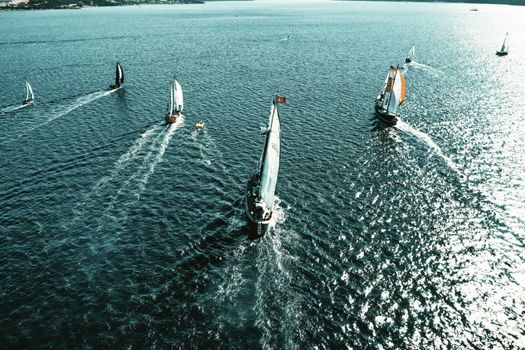
Perhaps one of the most profound influences of fractional yacht ownership is the transformation of boating culture itself. Shared ownership naturally fosters a sense of community and collaboration among co-owners. Many companies now organize social events, regattas, and networking opportunities for their members.
This collaborative approach is changing attitudes towards yacht use, with a focus on shared experiences and collective stewardship. Owners often exchange tips, recommend destinations, and even coordinate joint voyages, making yachting more social and less solitary.
Moreover, the emphasis on shared responsibility and sustainability is encouraging a new generation of boaters to approach maritime leisure with an ethic of care—both for the sea and for each other.
How Fractional Yacht Ownership is Steering Europe’s Boating Future
Fractional yacht ownership is no passing trend. It’s a transformative force that is broadening access to luxury boating, reducing environmental impact, stimulating regional economies, and nurturing a more inclusive and community-driven yachting culture. As technology and flexible lifestyles continue to influence consumer choices, the appeal of fractional ownership is set to grow even further.
For Europe, a continent defined by its varied coastlines and rich maritime traditions, this shift represents both a nod to the past and a bold step into the future—where luxury and responsibility can go hand in hand, and the joy of the sea can be shared more widely than ever before.