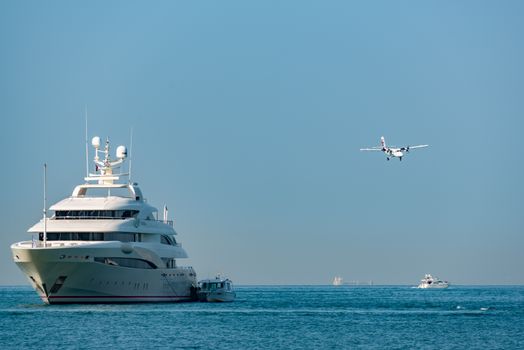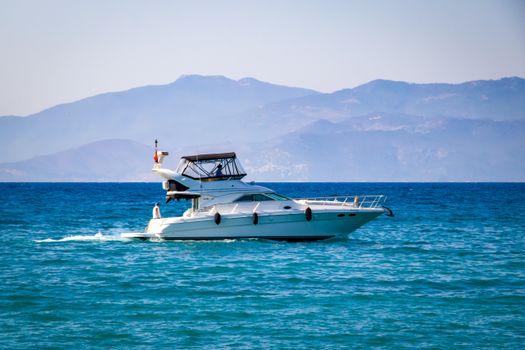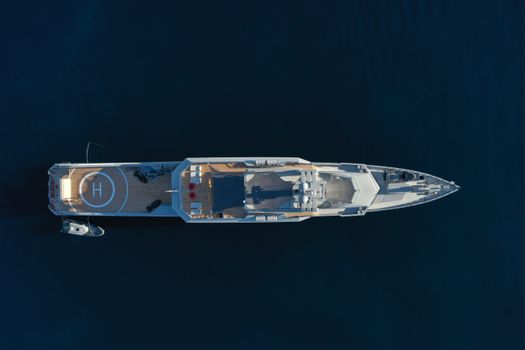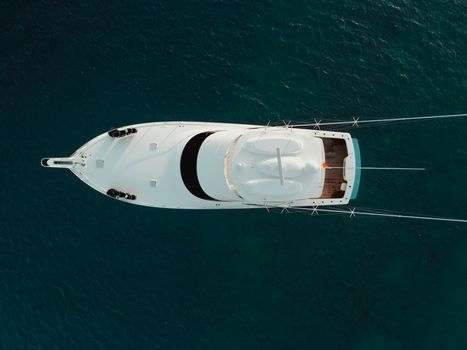
Yacht ownership has long been the symbol of ultimate luxury, but for many, the dream often collides with the reality of high costs, maintenance headaches, and limited time on the water. Enter fractional yacht ownership—a modern, innovative solution that makes yachting accessible, flexible, and practical for beginners. But with a variety of options and operators in the market, how do you choose the best fractional yacht ownership for your needs? This guide is designed specifically for those new to yachting, focusing on essential criteria, practical considerations, and the unique aspects that will help you sail smoothly into your new lifestyle.
Understanding Fractional Yacht Ownership for First-Timers
Fractional yacht ownership is much more than timeshare with a fancy name. It’s a legally structured co-ownership model that allows multiple individuals or families to collectively own a yacht, sharing both the privileges and the responsibilities. Unlike traditional ownership, where one person shoulders all the costs and management, fractional ownership splits these burdens, making luxury yachting more affordable and flexible.
For beginners, the appeal is obvious: A 2023 survey by the Global Yacht Ownership Network showed that 68% of new yacht owners chose fractional programs for cost-effectiveness and hassle-free management. Typically, ownership shares range from 1/2 to 1/8, with each share granting a set number of weeks or days of access per year.
.png)
Key beginner benefits include:
- Lower upfront investment (often 10-20% of sole ownership cost) - Predictable annual fees covering maintenance, insurance, and crew - Professional management by the operator - Opportunity to experience yachting before committing to full ownershipBut not all fractional programs are created equal. Understanding the models and their nuances is the first step to making a smart choice.
Key Models of Fractional Yacht Ownership: Which Fits Beginners Best?
Fractional yacht ownership comes in several flavors. The right model depends on your lifestyle, budget, and expectations. Here’s a comparison of the most common structures:
| Model | Ownership Type | Typical Share | Management | Ideal For |
|---|---|---|---|---|
| Equity Fractional Ownership | Co-ownership (legal title shared) | 1/8 to 1/4 | Professional operator | Beginners seeking investment and flexibility |
| Club Membership/Fractional Leasing | No ownership; right to use | Point-based or annual membership | Club staff | First-time yacht users, flexibility seekers |
| Syndicate/Private Group | Private group co-ownership | 1/2 to 1/6 | Self-managed or external | Friends/family groups, DIY approach |
For beginners, equity fractional ownership with professional management is often the best choice. It combines true ownership (your share is a tangible asset) with turn-key services, minimizing risk and administrative hassles.
Critical Factors to Evaluate Before Signing Up
Choosing a fractional yacht program isn’t just about picking a beautiful vessel—it’s about ensuring long-term satisfaction, security, and value. As a beginner, focus on these critical factors:
1. $1 Fractional ownership attracts many due to its predictable expenses, but not all programs are clear about their fee structures. Ask for a detailed breakdown of: - Initial purchase price (reflecting your share) - Annual operating fees (maintenance, insurance, mooring, crew) - Variable charges (fuel, special cleaning, optional upgrades)In 2022, average annual fees for a 1/8 share in a 60-foot yacht ranged from $25,000 to $40,000, depending on the operator and yacht model. Ensure your program provides full disclosure to avoid hidden costs.
2. $1 How you access your yacht is crucial. Some programs use fixed-week scheduling, while others employ flexible, rotating, or points-based systems. For example, a rotating system may let you book prime summer weeks every other year, ensuring fairness among co-owners. Check: - How far in advance reservations are made - Blackout dates or peak season restrictions - Guest and family policies 3. $1 Life changes, and so might your yachting needs. Understand: - How you can sell or transfer your share - Whether there’s a resale market or internal buyback program - Any penalties or fees for early exitSome operators, such as Yachtico and SeaNet, offer guaranteed buyback options after a set period, making it easier for beginners to step in and out of ownership.
4. $1 A well-run program should have a track record of satisfied co-owners, transparent communication, and responsive support. Research operator reputation via online reviews, testimonials, and industry awards. A 2023 Yacht Owners Association report found that 83% of disputes in fractional programs were due to poor management communication—so this factor can’t be overlooked.The Importance of Yacht Type, Size, and Location
Not every yacht—or location—is ideal for beginners. The type and size of the yacht you choose will affect not just your comfort, but also your learning curve, costs, and enjoyment.
- $1 For most first-timers, a 50-70 foot yacht strikes the right balance between luxury and manageable operational costs. Larger yachts may offer more amenities but come with higher fees and limited marina access. - $1 Motor yachts are popular for their simplicity and speed, while sailing yachts appeal to those seeking a hands-on experience. Catamarans offer extra stability and space, ideal for families or groups. - $1 Where your yacht is based matters. Mediterranean hotspots like the French Riviera and Balearics are famous for scenery and culture, but marina fees can be 20-40% higher than in the Caribbean or Southeast Asia. Some programs allow for yacht relocation or offer fleets in multiple destinations, expanding your cruising grounds. Ask yourself: - Do you prefer warm climates or diverse cruising grounds? - Is proximity to home important, or are you open to travel? - Are you interested in themed experiences (diving, fishing, cultural tours)?Legal and Insurance Essentials for Safe Sailing
While the thrill of yachting is undeniable, it’s vital to understand the legal framework and insurance protections behind fractional ownership.
- $1 In equity programs, your share should be legally registered, often through a Special Purpose Vehicle (SPV) or company structure. Ensure you receive proper documentation of your ownership rights. - $1 Comprehensive insurance should cover hull, liability, crew, and guest injuries. Confirm that all co-owners are protected, and ask about additional personal liability coverage. - $1 Well-structured programs have clear procedures for resolving conflicts, whether about scheduling, damages, or payments. Arbitration clauses can help avoid costly legal battles.A 2021 study by the International Yacht Brokers Association noted that 92% of fractional disputes were resolved amicably when clear legal structures and insurance policies were in place.
Real-World Stories: How Beginners Succeed in Fractional Yacht Ownership
To bring these concepts to life, consider two beginner case studies:
- $1 Anna joined a professionally managed fractional program with a 1/8 share in a 62-foot motor yacht based in Miami. With annual fees of $32,000, Anna enjoyed 5 weeks on board each year, including winter escapes. The operator handled all logistics, and Anna was able to sell her share after three years with a modest appreciation. - $1 Wanting to minimize risk, this couple opted for a fractional club membership in the Mediterranean, paying £18,000 annually for access to a diverse fleet. The flexibility allowed them to try both motor yachts and catamarans without long-term commitment. Within two years, they felt confident enough to purchase a larger share in a specific yacht.Their stories illustrate how fractional ownership can be tailored to fit different comfort levels, budgets, and yachting ambitions.
Smart Steps Toward Your First Fractional Yacht Share
Stepping into the world of yachting should be an exciting and rewarding experience. As a beginner, focus on:
1. Researching reputable operators and reading user reviews 2. Comparing costs and understanding all financial commitments 3. Assessing your desired usage patterns and preferred destinations 4. Ensuring legal and insurance protections are in place 5. Starting with a manageable share and considering flexible exit optionsFractional yacht ownership opens the door to luxury boating without the overwhelm of full ownership. With careful planning and informed choices, your first share can launch a lifetime of unforgettable adventures on the water.