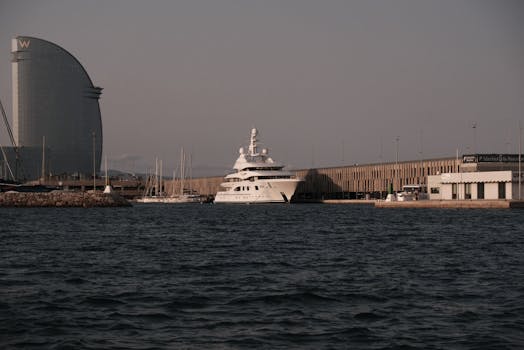
The benefits of fractional superyacht ownership compared to charters
Owning a superyacht has long been the ultimate status symbol, offering unmatched luxury, privacy, and freedom on the water. Yet, the financial and logistical realities of full ownership often put this dream out of reach for many aspiring yacht enthusiasts. Enter two increasingly popular alternatives: fractional superyacht ownership and yacht charters. Each offers a unique pathway to experiencing the world of superyachting, but they differ significantly in terms of cost, flexibility, lifestyle, and long-term value.
In this article, we’ll explore the tangible benefits of fractional superyacht ownership compared to traditional yacht charters, helping you determine which option aligns best with your aspirations and lifestyle.
Understanding the Basics: What Is Fractional Superyacht Ownership?
Fractional superyacht ownership is a model that allows multiple individuals or entities to share ownership of a single yacht. Typically, ownership is divided into fractions or shares—commonly ranging from 1/8 to 1/4—entitling each owner to a set number of weeks on board annually.
.png)
This approach differs from the more familiar yacht charter model, where an individual or group rents a yacht for a short-term holiday, typically from one week to a month, without any ownership or long-term commitment.
According to the Superyacht Times, the global fractional yacht ownership market has grown by over 15% annually since 2018, reflecting growing demand for smarter and more accessible ways to enter the yachting world.
Cost Comparison: Upfront Investment vs. Pay-As-You-Go
One of the most significant deciding factors between fractional ownership and charters is cost. Fractional ownership requires a higher upfront investment, as you are purchasing a tangible share in the yacht. However, this investment can yield substantial savings and long-term value compared to repeated chartering.
For example, purchasing a 1/8 share in a €10 million superyacht typically costs around €1.25 million upfront, plus annual maintenance and management fees. In contrast, chartering a similar yacht for two weeks can cost upwards of €200,000 per week, totaling €400,000 per year for the same usage.
Let’s look at a comparative overview:
| Aspect | Fractional Ownership (1/8 Share) | Charter (2 Weeks/Year) |
|---|---|---|
| Upfront Cost | ~€1,250,000 | €0 |
| Annual Costs | ~€100,000 (maintenance, management) | €400,000 |
| Residual Value | Retain asset value; potential resale | None |
| Guaranteed Availability | Yes, per ownership agreement | Dependent on market availability |
| Long-term Savings (5 Years) | Potentially €2 million+ | €2 million in charter fees |
Notably, over a 5-year period, fractional owners can potentially save over €2 million compared to frequent charters, all while building equity in a luxury asset.
Personalization and Consistency: Your Yacht, Your Rules
A major advantage of fractional superyacht ownership is the ability to personalize and consistently enjoy your yacht experience. As a part-owner, you have the opportunity to:
- Store personal items on board - Customize interiors and amenities (subject to agreement with co-owners) - Develop a relationship with the crew, ensuring seamless service - Maintain a familiar environment for family and friendsWhile yacht charters offer luxury and service, each charter often involves a different vessel, crew, and experience. This lack of continuity can limit the sense of home and comfort that many superyacht enthusiasts seek.
In a 2023 survey by Boat International, 78% of fractional yacht owners reported higher satisfaction due to the ability to personalize their on-board experience, compared to just 52% of frequent charter clients.
Flexibility and Availability: Securing Your Preferred Dates
One common misconception is that yacht charters offer more flexibility than fractional ownership. In reality, fractional ownership agreements are designed to provide predictable, guaranteed access to the yacht during high-demand periods.
Fractional ownership programs commonly use an equitable booking system, such as rotating calendars or point-based scheduling, allowing each co-owner to reserve time during peak seasons like summer holidays or major events (e.g., Monaco Grand Prix, Cannes Film Festival). This ensures owners have fair access to their investment.
Charter clients, on the other hand, are subject to market availability. During peak seasons, securing a preferred yacht—even at premium rates—can be difficult, with popular models booked out months in advance.
Fractional owners also enjoy priority over charter bookings, as their time allocations are contractually protected. According to Fraser Yachts, 90% of fractional owners were able to secure their preferred dates in 2023, compared to only 60% of charter clients during the same period.
Long-Term Value and Asset Appreciation
Fractional ownership stands out for its ability to build long-term value. As a co-owner, you hold a tangible asset that can potentially appreciate or, at the very least, retain a portion of its value over time. When you decide to exit the arrangement, you can sell your share on the secondary market, often through the management company.
In contrast, chartering is a pure expense—no matter how many times you charter, you never build equity or receive a return.
Additionally, fractional programs often include professional management, regular maintenance, and upgrades, helping to preserve the vessel’s value. For instance, some operators report that well-maintained fractional yachts retain up to 70% of their original value after five years, compared to privately owned yachts, which can depreciate more due to inconsistent usage and maintenance.
Hassle-Free Ownership: Professional Management and Service
One of the main barriers to traditional yacht ownership is the complexity of management: hiring crew, organizing maintenance, scheduling dockage, and handling regulatory compliance. Fractional ownership programs are designed to eliminate these headaches.
A professional management company handles all logistics, including:
- Crew recruitment and training - Maintenance and repairs - Insurance and registration - Provisioning and itinerary planningThis means owners can simply step aboard and enjoy their yacht without worrying about the myriad details that come with full ownership. According to a 2022 report by Superyacht Group, 85% of fractional owners cited professional management as a key factor in their decision to choose this model over chartering or full ownership.
Environmental and Social Benefits
Fractional ownership also offers environmental advantages. Shared ownership means yachts are utilized more efficiently, reducing idle time and unnecessary emissions. With more people using fewer vessels, the overall environmental footprint of the industry can be reduced.
Moreover, fractional programs foster a sense of community among co-owners, often leading to networking opportunities and shared experiences. Some programs include exclusive events, regattas, or themed cruises for their owner groups.
Why Fractional Superyacht Ownership Is Gaining Momentum
The benefits of fractional superyacht ownership compared to charters are clear: substantial long-term savings, asset value retention, personalized experiences, guaranteed access, and hassle-free management. As rising costs and increased demand make full ownership less accessible, and as travelers seek more personalized and consistent luxury experiences, fractional ownership is becoming the preferred path for a new generation of yachting enthusiasts.
While yacht charters remain an excellent solution for one-off holidays or occasional use, those who crave the superyacht lifestyle without the full financial burden or operational challenges are increasingly turning to fractional ownership. With the market expected to grow by a further 20% in 2024, this innovative approach is reshaping the future of luxury yachting.