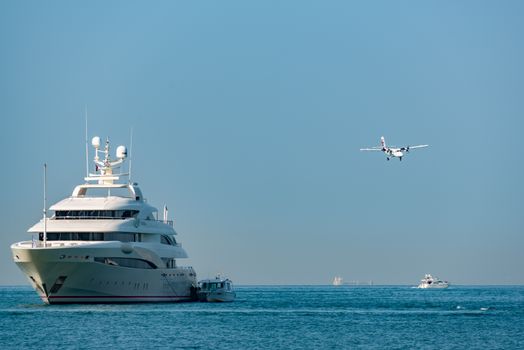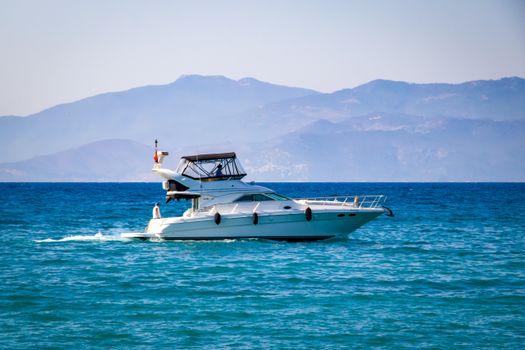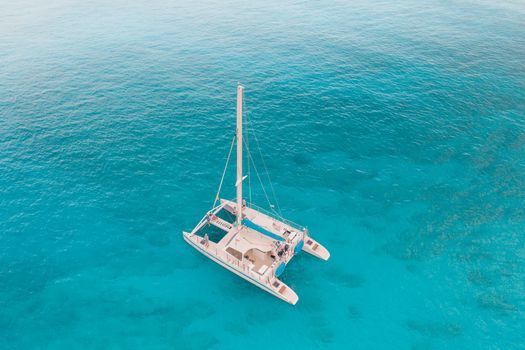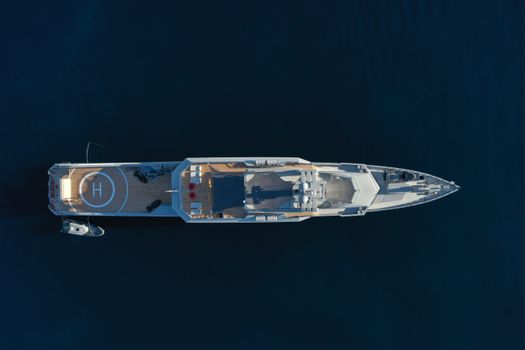
The world of luxury yachting has long been associated with exclusivity, opulence, and eye-watering price tags. However, recent years have seen a notable rise in a new model of access: fractional superyacht ownership. This innovative concept allows multiple individuals to co-own a superyacht, sharing the costs, responsibilities, and—most importantly—the joys of high-seas luxury. But is this arrangement all smooth sailing? If you’re considering stepping into the world of fractional superyachts, it’s crucial to understand both the advantages and the potential drawbacks before making your decision. Let’s dive into what you should know.
Demystifying Fractional Superyacht Ownership
Fractional superyacht ownership isn’t just a buzzword in the luxury travel industry; it’s a fundamentally different way to enjoy one of the world’s most lavish experiences. Unlike traditional yacht ownership, where a single individual or entity owns the entire vessel, fractional ownership divides the yacht (and its usage) into shares—often between 6 and 12 owners.
Each owner typically receives a certain number of weeks per year to use the yacht, with all maintenance, crew salaries, insurance, and operational fees divided proportionally. For example, in 2023, the global fractional yacht market was estimated to be worth over $1.2 billion, with superyachts (those over 24 meters or about 79 feet) making up a rapidly growing segment.
.png)
This model is often facilitated by specialized management companies who handle everything from scheduling to upkeep. The flexibility, reduced financial commitment, and hassle-free experience have made fractional superyachts appealing to a new generation of high-net-worth individuals.
The Major Advantages of Fractional Superyachts
Fractional superyacht ownership offers a number of compelling benefits, which explain its surging popularity in Europe, North America, and the Middle East.
1. $1 - A primary advantage is the dramatic reduction in upfront and ongoing costs. Instead of paying $10 million or more for a superyacht, a 1/8 share might cost $1.25 million. Annual running costs, which can reach $1 million on a 40-meter yacht, are similarly divided among co-owners. - In a 2022 survey by Yacht Investor, over 65% of fractional yacht owners cited cost efficiency as their main motivator. 2. $1 - Most fractional programs include full-service management: hiring crew, regular maintenance, insurance, and compliance with maritime regulations. - According to Fraser Yachts, a leading management company, 92% of fractional owners report being satisfied with the hands-off upkeep experience compared to sole ownership. 3. $1 - Owners are assured a set number of weeks on board, often with the option to swap or trade weeks with other owners or via the management company’s network. - Some programs offer “roaming” privileges, allowing owners to use similar yachts in different locations around the world. 4. $1 - Selling a share is often easier than selling an entire yacht, especially in a fluctuating market. You’re also exposed to less financial risk if the yacht depreciates, since your investment is smaller. 5. $1 - With multiple parties sharing one vessel, fractional ownership can reduce the total number of yachts on the water, lessening the environmental footprint—a growing concern among luxury consumers.Potential Disadvantages and Challenges
While the advantages are attractive, fractional superyachts also come with some significant drawbacks that every potential co-owner should consider.
1. $1 - Unlike sole ownership, you’ll need to compromise on décor, amenities, and even equipment choices. The yacht’s design is chosen to appeal to all co-owners, which may limit customization. - For instance, if one owner prefers a high-tech gym and another wants extra guest cabins, compromises must be reached. 2. $1 - Although management companies have sophisticated scheduling systems, peak season dates (like holidays or major events such as the Monaco Grand Prix) can be in high demand. Disagreements can arise if multiple owners want the same weeks. - In a 2021 report by SuperYacht Times, 18% of fractional owners cited scheduling disputes as a significant downside. 3. $1 - If one owner defaults on their financial obligations, the remaining owners may have to cover the shortfall or face legal and operational complications. - Liability for damages, insurance claims, or regulatory issues is shared—a risk that must be carefully managed. 4. $1 - Selling a fractional share may be easier than selling a whole yacht, but you’re still dependent on market demand and the management company’s terms. - Some programs have restrictions on share transfers or charge resale fees. 5. $1 - For many yacht enthusiasts, the pride of sole ownership and the ability to make a yacht uniquely “theirs” is a major draw. Fractional ownership is, by nature, less personal.Comparing Fractional Superyachts to Other Ownership Models
To better understand fractional superyachts, it helps to compare them with traditional sole ownership and yacht chartering. Here’s a data-driven breakdown:
| Feature | Fractional Superyacht | Full Ownership | Charter |
|---|---|---|---|
| Initial Investment | $500,000 - $2,000,000 (share) | $5,000,000+ | $50,000 - $500,000 per week |
| Annual Running Costs | $100,000 - $250,000 (share) | $500,000 - $2,000,000 | Included in charter fee |
| Usage Flexibility | 6-12 weeks/year | Unlimited | As booked |
| Personalization | Limited | Full | None |
| Management | Included (by company) | Owner responsible or hires manager | Charter company |
| Depreciation Risk | Shared | Full | None |
| Resale Liquidity | Moderate | Low | Not applicable |
As the table illustrates, fractional superyachts strike a balance between full ownership’s control and chartering’s convenience, offering a unique value proposition.
Who Should Consider Fractional Superyacht Ownership?
Fractional superyachts aren’t for everyone, but they’re ideal for certain types of buyers:
- $1: If you want several weeks of luxury yachting each year—but not enough to justify full ownership—fractional is a smart choice. - $1: Those seeking the superyacht experience without full financial exposure benefit most from this model. - $1: Fractional ownership offers a lower-risk “test drive” into the world of yachting. - $1: With management handled by experts, you can focus on enjoyment, not logistics. - $1: Sharing a yacht means fewer vessels on the water, reducing environmental impact.Research by Global Yacht Group in 2022 found that over 70% of fractional superyacht buyers were first-time yacht owners, using their shares for family vacations, business entertaining, and special events.
Legal and Financial Considerations
Before signing on as a fractional superyacht owner, it’s essential to understand the legal and financial frameworks:
- $1: Most programs use either a company share model or a co-ownership agreement. Understand your rights, obligations, and the process for selling your share. - $1: Review all service agreements, including scheduling, maintenance standards, dispute resolution, and exit clauses. - $1: Ensure the policy covers all owners and clearly outlines responsibility for damages or accidents. - $1: Depending on your residency and the yacht’s flag state, there may be VAT, import duties, or personal tax considerations.Consult with maritime lawyers and financial advisors before making a commitment; some jurisdictions have complex maritime laws that can impact your investment.
Future Trends in Fractional Superyacht Ownership
The fractional superyacht market is evolving rapidly, shaped by technology, consumer preferences, and global economic forces.
- $1: New apps and booking systems streamline scheduling, communication, and even share resale, making coordination among owners easier than ever. - $1: As eco-consciousness grows, expect more “green” fractional fleets featuring hybrid propulsion, advanced waste management, and carbon offsetting. - $1: Some management companies now offer access to multiple yachts around the world, combining the flexibility of charter with the cost benefits of ownership.A 2023 report by Boat International predicts the fractional yacht sector will grow by 12% annually through 2027, driven by younger buyers and shifting attitudes toward shared luxury.
Navigating the Decision: Is a Fractional Superyacht Right for You?
Fractional superyachts have opened the door to a world that was once reserved for the ultra-wealthy, offering a practical and accessible route into luxury yachting. While the advantages—cost savings, professional management, and flexible access—are significant, potential downsides like limited personalization and shared responsibilities can’t be ignored.
Ultimately, the right choice depends on your lifestyle, usage patterns, and appetite for shared arrangements. By carefully weighing these pros and cons, backed by professional advice, you can chart a course toward the superyacht experience that best fits your aspirations.