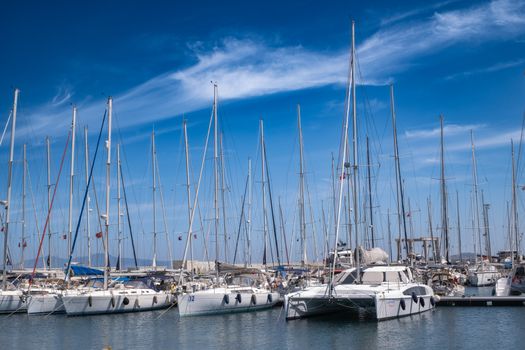
Sailing the azure waters of the Mediterranean is a dream for many, and fractional yacht ownership has made this iconic experience more accessible than ever. As more enthusiasts embrace this shared approach to yachting, understanding the unique traditions and customs of the Mediterranean becomes essential—not just to enrich your journey, but also to ensure harmonious relations with seasoned sailors, local communities, and fellow co-owners. Whether you’re a new fractional yacht owner or an experienced sailor seeking to deepen your connection to the region, appreciating these time-honored practices will elevate your time on the water. Let’s explore the top five yachting traditions and customs in the Mediterranean that every fractional yacht owner should know.
The Salutation Ritual: Mediterranean Greetings at Sea
Among the most cherished customs across Mediterranean waters is the art of the nautical greeting. As your yacht glides past harbors, coves, or fellow vessels, exchanging friendly waves or horn signals is more than pleasantry—it’s a sign of mutual respect and camaraderie among sailors.
A typical Mediterranean salute involves a raised hand or a brief wave, often met with a smile. In some locales, particularly around the Greek Islands and Italian Riviera, it’s customary to exchange a few words or even invite another crew aboard for coffee or a glass of ouzo. For fractional yacht owners, participating in these greetings is a way to instantly foster goodwill and signal your understanding of seafaring etiquette.
.png)
It’s also common to use sound signals as a greeting or to communicate your intentions. For example, a single short blast of the horn typically means “I am altering my course to starboard,” but in informal situations, it can function as a friendly hello. In 2023, a survey by the Mediterranean Yacht Brokers Association (MYBA) found that 72% of yacht crews consider a well-timed greeting one of the most important signs of respect on the water.
Flag Etiquette: Flying the Right Colors
Flags play a pivotal role in the Mediterranean yachting tradition. For fractional yacht owners, knowing when and which flags to fly is not just a matter of aesthetics—it’s a vital part of seafaring protocol.
Each yacht must fly its national ensign, usually from the stern, to indicate the country of registration. When entering a foreign port, it’s customary to raise a “courtesy flag” of the host nation on the starboard spreader. This gesture demonstrates respect for the country’s authorities and local customs; failure to do so can result in fines or unwelcome attention from maritime officials.
Table: Common Mediterranean Yacht Flags
| Flag | Purpose | Where Flown | Required? |
|---|---|---|---|
| National Ensign | Identifies yacht’s registration | Stern | Yes |
| Courtesy Flag | Respect to host country | Starboard spreader | Yes, in foreign waters |
| House Flag | Represents yacht club or syndicate | Mainmast or spreader | Optional |
| Owner’s Pennant | Signifies owner on board | Bowsprit or masthead | Optional |
For fractional owners, it’s important to coordinate with your management company or fellow co-owners to ensure that flags are up-to-date, well-maintained, and correctly displayed. This attention to detail not only avoids embarrassment but also helps foster positive relations with local marinas and authorities.
Anchoring Etiquette: Sharing Space in Busy Bays
The Mediterranean is renowned for its picturesque anchorages, from the blue caves of Malta to the secluded coves of Croatia. However, these stunning spots can become congested during peak season. Understanding anchoring etiquette is essential for fractional yacht owners keen to avoid disputes and ensure everyone enjoys the beauty of the region.
One key tradition is the “first come, first served” rule: the first yacht to anchor in a bay has priority over subsequent arrivals. Newcomers are expected to anchor a respectful distance away to avoid fouling anchor chains or impinging on privacy. A general guideline is to leave at least three boat lengths between vessels. According to the Association of Mediterranean Yacht Captains, 68% of reported incidents in 2023 stemmed from improper anchoring distances.
Additionally, Mediterranean mooring—where yachts drop anchor at the bow and tie the stern to the shore—is common in Italy, France, and Greece. This method maximizes space and protects boats from strong offshore winds. If you’re unsure about local practices, don’t hesitate to ask nearby crews or marina staff; most are happy to provide guidance.
For fractional owners, clear communication with your co-owners and the yacht’s management service about anchoring policies ensures that everyone adheres to best practices, preserving the yacht’s reputation and avoiding unnecessary fines or altercations.
Harbor Traditions: Entering and Leaving Ports
Arriving at a bustling Mediterranean harbor is both thrilling and challenging. There are unwritten rules and time-honored customs that fractional yacht owners should respect to ensure smooth passage and a warm welcome.
First, it’s customary to radio ahead to the harbor master or marina office before entering port. This courtesy allows staff to allocate berthing space and prepare for your arrival. In 2022, over 90% of marinas in Spain and France reported improved operations when guests provided advance notice.
Upon arrival, reduce speed to minimize wake—excessive waves can damage moored boats or disturb other guests. Once docked, greeting your dock neighbors and marina staff with a friendly “buongiorno” or “kalimera” goes a long way toward building rapport.
When departing, it’s traditional to thank the staff and, if appropriate, leave a small gratuity for helpful service. Many Mediterranean marinas still follow the custom of exchanging small gifts—such as local wine or regional delicacies—between crews, especially after a pleasant stay. For fractional owners, these gestures are a way to create positive memories and establish lasting connections in ports you’ll likely visit again.
Onboard Customs: Dining, Dress, and Socializing
Life aboard a Mediterranean yacht is infused with rituals that reflect the region’s rich cultural heritage. For fractional owners—who may sail with different groups throughout the year—embracing these customs can make each voyage more enjoyable and authentic.
Dining is a highlight of Mediterranean yachting. Meals are often leisurely affairs, emphasizing fresh seafood, local produce, and regional wines. Many crews observe the tradition of an evening aperitivo—an informal gathering with drinks and light snacks—before dinner. This is an ideal time to relax and socialize, whether with friends or neighboring yachts.
Dress codes on the Med lean towards smart-casual, especially when entering harbors or dining ashore. Flip-flops and swimwear are generally reserved for deck lounging; a light linen shirt and tailored shorts or sundress are preferred for evenings. According to a 2023 survey by the International Yacht Club Association, 84% of Mediterranean yacht guests appreciate a “smart casual” dress code for dinner.
Socializing with other yachts is encouraged. Inviting neighbors for a drink or joining a beach barbecue fosters a sense of community and can lead to lifelong friendships. For fractional yacht owners, these interactions also provide opportunities to exchange tips, share local knowledge, and perhaps even coordinate future voyages.
Navigating Mediterranean Yachting Traditions as a Fractional Owner
Embracing Mediterranean yachting traditions is about more than following rules—it’s about becoming part of a vibrant, centuries-old community of sailors. For fractional yacht owners, these customs offer a pathway to deeper enjoyment and smoother sailing, whether you’re cruising solo, with family, or alongside fellow co-owners.
By respecting greeting rituals, flag etiquette, and anchoring norms, you signal your belonging to the region’s maritime culture. Engaging with local harbor customs and onboard traditions further enriches your experience, opening doors to new friendships and unforgettable memories.
With over 22,000 kilometers of coastline and more than 1,200 islands and islets to explore, the Mediterranean offers endless opportunities for adventure. Approaching each voyage with curiosity, respect, and a willingness to participate in time-honored traditions ensures that your yachting experience is as rewarding as the destinations themselves.