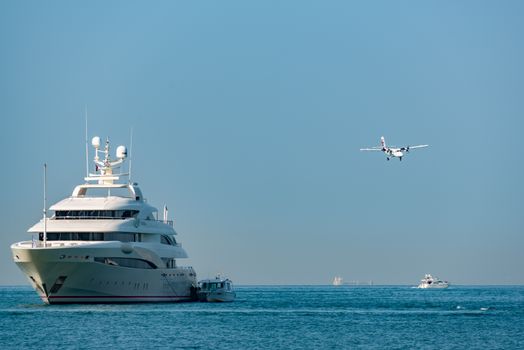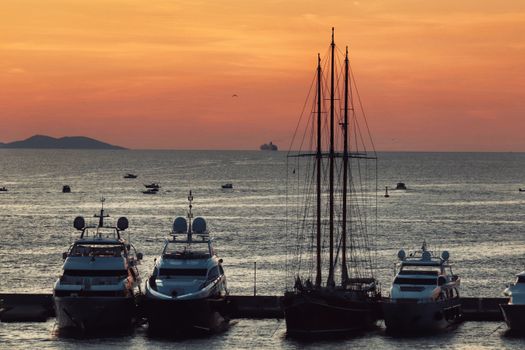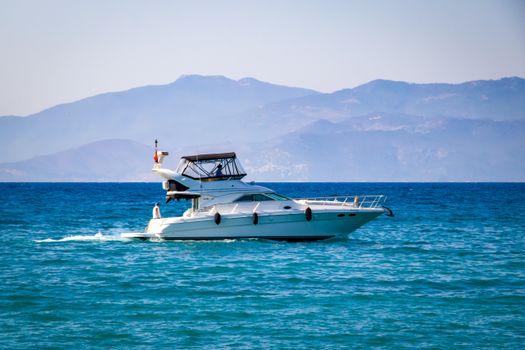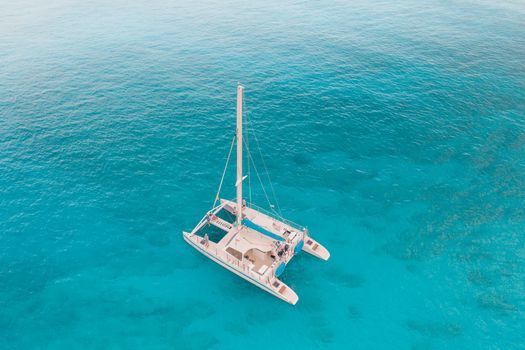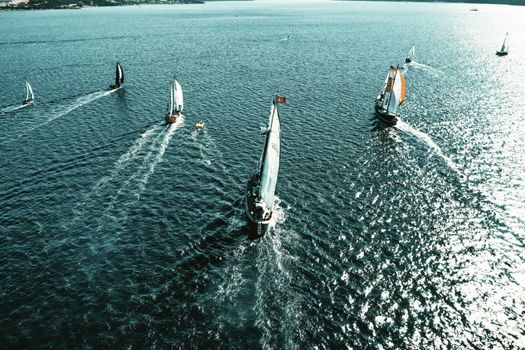
The world of luxury yachting has always carried an air of exclusivity, adventure, and freedom. But as lifestyles, technology, and financial attitudes evolve, so too does the way we access and enjoy the open sea. Enter fractional yacht ownership: a modern, flexible approach that’s rapidly transforming the yachting landscape. This guide explores how fractional ownership is changing the way we sail, who it’s for, and what the new era of yachting looks like.
The Evolution of Yachting: From Elite Privilege to Shared Experience
For decades, yacht ownership was a marker of immense wealth, with the average new 60-foot yacht costing upwards of $2 million and annual running costs typically 10-15% of the purchase price. In 2023, the global yacht market was valued at $8.91 billion, with growth fueled by both traditional buyers and new entrants seeking more flexible access.
Fractional ownership is democratizing yachting. Instead of a single owner bearing all the costs and responsibilities, multiple co-owners share the purchase, maintenance, and enjoyment of a yacht. This model is making yachting more accessible than ever before, opening the doors to families, professionals, and adventure-seekers who once viewed yacht ownership as out of reach.
.png)
A 2022 survey by The Superyacht Group found that nearly 30% of new yacht buyers under age 50 were considering shared or fractional ownership over sole ownership. This shift is not just about affordability—it’s about lifestyle, sustainability, and a desire for smarter asset use.
How Fractional Yacht Ownership Works: The Basics
Fractional yacht ownership allows a group—often between 4 and 12 individuals or families—to co-own a yacht. Each party owns a legally structured share, granting them access for a set number of weeks per year. A management company typically handles scheduling, maintenance, crew, and other logistics.
Key features include:
- $1 Owners purchase equity shares, often ranging from 1/8 to 1/4 of the yacht. - $1 Time is divided equitably among owners, with peak weeks often rotating annually. - $1 Professional companies handle cleaning, repairs, insurance, and staffing. - $1 Owners can sell their share, often after a minimum period (usually 3-5 years).For example, a 1/8 share in a $2.4 million yacht would cost $300,000, plus annual costs divided among co-owners. This dramatically lowers the entry point while still providing significant access and all the perks of yacht ownership.
The Benefits of Fractional Yachting in Today’s World
As priorities shift toward sustainability, flexibility, and meaningful experiences, fractional yacht ownership offers compelling benefits:
1. $1 Owners only pay for the share they use, with expenses (maintenance, insurance, crew) split proportionally. This can reduce annual outlay by 60-80% compared to sole ownership. 2. $1 Management companies take care of all operational details. Owners simply arrive and enjoy their yacht, eliminating the need for technical knowledge or day-to-day oversight. 3. $1 Fractional models allow access to newer, larger, or more luxurious yachts than most individuals could afford outright. 4. $1 Many programs offer reciprocal use, allowing owners to swap time on other yachts in different locations. This means more varied cruising experiences. 5. $1 Sharing a yacht among several families maximizes usage and reduces the number of under-utilized vessels, lowering the overall carbon footprint per user.In 2021, a report by Boat International estimated that the average private yacht is used just 10% of the year by its sole owner. Fractional ownership can increase utilization to 40-50%, making better use of resources and dock space.
Who Is Embracing Fractional Yacht Ownership?
Fractional ownership appeals to a diverse and growing demographic:
- $1 Keen to enjoy luxury experiences but less interested in the hassles of full ownership. - $1 Those who want to sail in different regions without being tied to one boat. - $1 Seeking adventure and relaxation without major capital outlay or day-to-day management. - $1 Businesses using yachts for client entertainment, team-building, or executive retreats.According to a 2023 report by Wealth-X, 38% of high-net-worth individuals aged 35-54 expressed interest in shared luxury assets, including yachts. This trend reflects a broader shift toward access over ownership, a concept popularized by the sharing economy.
Comparing Fractional Ownership to Traditional Yachting Models
Fractional ownership is just one of several ways to enjoy yachting. Let’s compare it with other models: sole ownership, yacht charter, and yacht clubs.
| Model | Initial Cost | Annual Costs | Access & Control | Commitment | Typical User |
|---|---|---|---|---|---|
| Sole Ownership | $1M+ (full purchase price) | $100k-$300k (maintenance, crew, insurance) | Full, anytime access | High (years) | Ultra-high-net-worth individuals |
| Fractional Ownership | $100k-$500k (for share) | $10k-$40k (split among owners) | Set weeks, rotating schedule | Medium (3-5 years typical) | Affluent individuals/families, businesses |
| Yacht Charter | None (pay per use) | Varies ($10k-$100k per week) | Limited, based on availability | Low (one-off) | Occasional users, vacationers |
| Yacht Club Membership | $10k-$50k (joining fee) | $5k-$20k (annual dues) | Shared fleet, reservation system | Low (annual) | Frequent but casual users |
This table highlights how fractional ownership bridges the gap between the flexibility of chartering and the control of sole ownership, at a significantly lower cost.
Emerging Trends: Technology, Sustainability, and Customization
Modern fractional ownership programs are at the forefront of innovation, responding to both customer demand and environmental concerns.
- $1 Booking, scheduling, and management are increasingly digital. Apps allow owners to reserve time, access real-time yacht status, and coordinate with crew. - $1 Many new fleets feature hybrid propulsion, solar panels, and eco-friendly materials. In 2023, over 20% of new yachts sold in Europe boasted some form of alternative energy. - $1 Owners can personalize their experience, from selecting on-board amenities to choosing crew and provisioning before each trip. - $1 Some programs now offer access to fleets in the Mediterranean, Caribbean, Asia-Pacific, and beyond, making global cruising more accessible.A 2024 study by the International Council of Marine Industry Associations found that 60% of surveyed fractional owners cited sustainability features as a “major influence” on their choice of yacht program.
Final Thoughts: The Future of Sailing with Fractional Ownership
Fractional yacht ownership is rewriting the rules of modern yachting. By lowering barriers, simplifying logistics, and promoting responsible enjoyment of the seas, it’s enabling a new generation to embrace the romance and adventure of sailing.
With the global yacht market projected to exceed $12 billion by 2028, and sustainable yachting on the rise, the future looks bright for those seeking a smarter, more flexible way to experience life on the water. Whether you’re a lifelong sailor or a newcomer drawn by the lure of the ocean, fractional ownership offers an innovative, accessible pathway to your next great adventure.