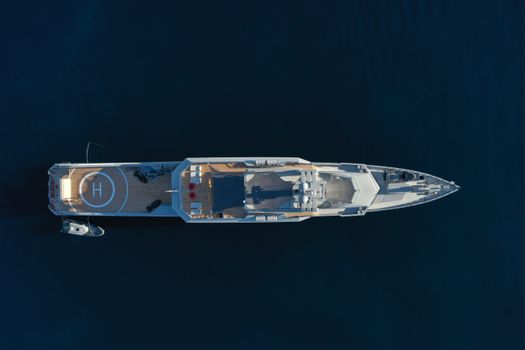
Fractional yacht ownership has transformed the way enthusiasts access the luxury and freedom of yachting in Europe. Rather than shouldering the full financial and logistical responsibilities of yacht ownership, individuals can now purchase a share in a vessel, enjoying usage rights according to their investment. While the benefits are clear—cost efficiency, shared maintenance, and flexible access—fractional yacht ownership comes with a unique set of legal considerations. From contractual models and regulatory compliance to tax implications and dispute resolution, understanding the legal landscape is crucial for anyone considering this innovative path to the high seas.
The Legal Structure of Fractional Yacht Ownership in Europe
Fractional yacht ownership relies on robust legal frameworks to protect the rights and obligations of every participant. In Europe, there are several common structures for organizing fractional ownership:
1. $1: This is the most prevalent arrangement in Europe. A special purpose vehicle (SPV), such as a limited liability company, is created to own the yacht. Individual owners then purchase shares in the SPV, which entitles them to defined usage rights and responsibilities. According to 2023 industry data, over 60% of European fractional yacht schemes use this structure, as it allows for clear division of ownership and limits individual liability. 2. $1: Also known as “syndicate” or “direct deed of co-ownership,” this model involves owners holding legal title to the yacht directly, typically as tenants in common. Rights and obligations are set out in a detailed co-ownership agreement, including usage schedules, maintenance, and exit strategies. 3. $1: Some operators offer a hybrid approach, where participants purchase a right to use a yacht through a membership or timeshare arrangement. While not true ownership, these schemes are popular for their simplicity but may offer fewer legal protections.The legal model chosen has significant consequences for ownership rights, liability, and tax exposure. For example, company-based models generally shield owners from personal liability beyond their investment, while direct co-ownership may expose owners to claims arising from other co-owners’ actions.
.png)
Key Contractual Elements in European Fractional Yacht Schemes
No matter which legal structure is chosen, the foundation of fractional yacht ownership lies in the contract. European law recognizes the importance of detailed, transparent agreements to avoid disputes and protect all parties. Essential contractual elements include:
- $1: The contract must specify how time aboard is allocated. Many schemes use a rotating calendar or a points-based booking system. For example, a typical 8-share syndicate grants each owner 6-7 weeks’ access per year. - $1: Clear terms must define how expenses—such as marina fees, insurance, maintenance, and crew—are split. Most agreements stipulate equal shares, but some adjust for usage. - $1: Contracts should outline how major decisions (refits, sale, upgrades) are made. Voting thresholds (e.g., simple majority or unanimity) are commonly used. - $1: Owners must have a defined process for selling or transferring their share. This may include right-of-first-refusal clauses, valuation methods, and procedures for handling disputes. - $1: The agreement should clarify liability for accidents or damages, and ensure comprehensive insurance covers all owners.A well-drafted contract is vital: in a 2022 survey by the European Boating Association, 92% of disputes in fractional yacht arrangements stemmed from ambiguous or incomplete contracts.
Regulatory Compliance: Flag State, Registration, and Taxation
Fractional yacht ownership in Europe is subject to a complex web of regulations at national and EU levels. Key legal areas include:
1. $1: The yacht must be registered under a national flag, which determines applicable maritime law. Popular flag states in Europe include Malta, the UK, and the Netherlands due to their favorable regulations for co-ownership and tax. For instance, Malta saw a 25% increase in fractional yacht registrations between 2021 and 2023. 2. $1: Value Added Tax (VAT) is a major consideration. If a yacht is used in EU waters, VAT must be paid on the vessel’s value. Some schemes register the yacht in non-EU jurisdictions to optimize VAT, but EU authorities have tightened rules to prevent abuse. 3. $1: If the yacht is made available for charter when not used by owners, additional licenses and commercial regulations apply. This can impact insurance, crew requirements, and safety standards. 4. $1: EU and national laws regulate the employment of crew, including contracts, social security, and safety certifications.Failure to comply can result in hefty fines, impoundment of the yacht, or loss of registration. European authorities have increased audits of fractional ownership schemes since 2022, particularly concerning VAT and charter operations.
Comparing Legal Requirements Across European Countries
Legal requirements for fractional yacht ownership differ significantly between key European jurisdictions. The following table provides a comparative overview of some core legal aspects in four popular countries:
| Country | Ownership Structure Allowed | VAT Rate (Yachts) | Popular Flag State for Fractional Yachts | Notable Legal Requirement |
|---|---|---|---|---|
| France | Co-ownership, company, timeshare | 20% | France, Malta | Strict consumer protection for timeshares |
| Italy | Company, co-ownership | 22% | Italy, Malta | Mandatory registration for yachts over 10m |
| Spain | Company, club, co-ownership | 21% | Spain, UK | Additional "Impuesto de Matriculación" (registration tax) up to 12% |
| Malta | Company, co-ownership | 18% (can be optimized) | Malta | Popular for corporate ownership structures |
For buyers, understanding these differences is essential for compliance and long-term cost management. For example, Spain’s additional registration tax can significantly increase upfront costs, while Malta’s flexible corporate laws attract many fractional schemes.
Dispute Resolution and Owner Protection in Fractional Yacht Ownership
Disputes, though rare, can arise in any co-ownership arrangement. European law offers several mechanisms for resolving conflicts and protecting owner rights:
- $1: Well-drafted contracts often include mediation or arbitration clauses. In 2023, over 70% of European fractional schemes used internal arbitration to settle disagreements before resorting to court. - $1: In some jurisdictions (notably France), timeshare and fractional ownership schemes are covered by strong consumer protection regulations. These laws may require cooling-off periods, transparent disclosures, and recourse for misrepresentation. - $1: If internal mechanisms fail, owners can seek recourse through national courts. The choice of law and jurisdiction is typically specified in the ownership agreement. - $1: Comprehensive insurance and use of corporate entities can protect individual owners from legal claims or financial loss stemming from accidents, negligence, or third-party actions.A notable case in 2021 involved a multi-owner yacht in Spain, where a dispute over usage rights escalated to the courts. The court sided with the majority of owners, emphasizing the importance of clear contractual terms and majority-vote provisions.
Practical Steps for Legally Secure Fractional Yacht Ownership
To ensure a smooth and legally sound experience, prospective fractional yacht owners in Europe should follow these practical steps:
1. $1: Maritime law is complex and varies by country. Hiring a lawyer with expertise in yacht transactions and co-ownership agreements is essential. 2. $1: Investigate the operator or syndicate’s track record, review corporate filings, and verify the yacht’s registration and VAT status. 3. $1: Ensure the agreement covers usage, costs, dispute resolution, exit rights, and insurance. Seek clarification on ambiguous terms. 4. $1: Consult a tax advisor about VAT, registration taxes, and potential liabilities in your home country and the yacht’s flag state. 5. $1: Regularly audit the syndicate’s financials, management practices, and regulatory compliance to avoid surprises.By following these steps, owners can avoid most legal pitfalls and fully enjoy the benefits of their investment.
Safeguarding Your Interests: Final Thoughts on Legal Aspects of Fractional Yacht Ownership in Europe
Fractional yacht ownership offers an accessible and cost-effective route to luxury yachting in Europe. However, the legal aspects—ranging from ownership structures and contracts to regulatory compliance and dispute resolution—are complex and demand careful attention. As the popularity of fractional ownership grows, legal frameworks are evolving to protect owner rights and ensure fair, transparent arrangements. By understanding these legal fundamentals, engaging expert advice, and insisting on robust contractual protections, buyers can safeguard their investment and enjoy smooth sailing on Europe’s beautiful waters.