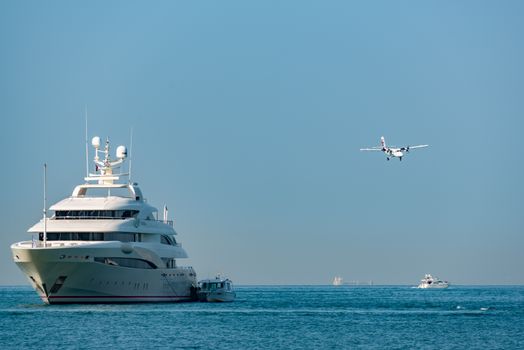
The world of superyachts has long been synonymous with glamour, exclusivity, and a price tag that only the world’s wealthiest could afford. However, a quiet revolution is taking place at the heart of this luxury industry. Fractional ownership—once a concept reserved for private jets and high-end vacation homes—is making waves in the yachting sphere, offering a new model of access, flexibility, and financial sense. This innovative approach is not only democratizing the ocean for a broader audience but also fundamentally shifting how superyachts are bought, managed, and enjoyed. Let’s explore how fractional ownership of superyachts is changing the yachting industry, who is driving this change, and what the future holds for luxury at sea.
Understanding Fractional Superyacht Ownership
Traditional yacht ownership is both alluring and daunting. The average superyacht, defined as a vessel 24 meters (about 78 feet) or longer, costs anywhere from $10 million to well over $100 million to purchase, with annual operating costs typically running 10% of the purchase price. According to Superyacht Intelligence, the global fleet of superyachts exceeded 5,600 in 2023, but only around 1,500 new superyachts are sold each year—highlighting the exclusivity and high barriers to entry.
Fractional ownership, by contrast, enables multiple individuals or entities to co-own a superyacht, each holding a share—commonly divided into 1/8th, 1/6th, or 1/4th. Each owner then receives guaranteed weeks aboard, proportional to their share. Specialized management companies handle all logistics, from crewing and maintenance to insurance and scheduling, ensuring a seamless experience.
.png)
This model is not to be confused with chartering, where a client rents a yacht for a specific period without any ownership stake. Nor is it a traditional timeshare, which typically lacks equity or the tangible asset value that fractional owners enjoy. Instead, fractional ownership offers a blend of equity, access, and lifestyle, while significantly reducing the financial and operational burdens of sole ownership.
The Financial Transformation of Yacht Ownership
The high cost of entry has always limited the superyacht experience to billionaires and business magnates. Fractional ownership is rewriting this narrative by dramatically lowering the investment required. For example, owning 1/8th of a $16 million superyacht costs approximately $2 million upfront, with annual running costs split among co-owners.
Let’s break down the numbers with a comparative overview:
| Ownership Model | Upfront Cost | Annual Operating Cost | Weeks on Board | Resale Potential |
|---|---|---|---|---|
| Full Ownership | $16 million | $1.6 million | Up to 52 | Yes, full asset |
| Fractional Ownership (1/8th share) | $2 million | $200,000 | 6-7 | Yes, pro-rata share |
| Charter (per week) | None | $200,000/week | Per charter | No |
This accessible entry point is appealing to high-net-worth individuals who aren’t ready to commit tens of millions to a yacht they might only use a few weeks a year. Furthermore, fractional owners can resell their share, recouping a portion of their investment—a flexibility that chartering lacks.
According to a 2023 report by Yacht Investor, the fractional yacht market grew by 12% year-on-year, with the majority of buyers aged between 40 and 55—significantly younger than the average full yacht owner. This demographic shift signals both a generational change and a new set of priorities among luxury consumers.
Driving Sustainability and Efficiency in the Yachting Industry
One of the less-discussed advantages of fractional superyacht ownership is its positive impact on sustainability and resource utilization. The reality is that most private yachts spend over 70% of their time docked and unused, yet still consume resources for maintenance, crew, and berthing. Fractional ownership dramatically increases usage rates, as multiple owners rotate time aboard, making far better use of each vessel.
This efficiency translates into fewer yachts being needed to satisfy the same level of demand, reducing the industry's overall carbon footprint. According to the International Council of Marine Industry Associations (ICOMIA), optimizing yacht utilization through shared models could reduce marina congestion by 30% in popular Mediterranean ports during peak season.
Furthermore, leading fractional providers are investing in greener yachts, including hybrid propulsion systems and advanced waste management. By pooling resources, fractional owners can afford more technologically advanced, environmentally friendly vessels than they might individually.
Enhanced Lifestyle and Flexibility for Owners
Yacht ownership has always promised a luxurious lifestyle, but it also comes with significant responsibilities and hidden headaches. Maintenance, crew management, insurance, and regulatory compliance are time-consuming and complex. Fractional ownership changes the game entirely, as management companies take care of all operational aspects—owners simply step aboard and enjoy.
Modern fractional programs are designed for flexibility. Owners can often swap their allotted weeks for different times of year, or even for time on different yachts within a fleet, depending on the provider. This model is particularly attractive for those who want to explore various destinations or who value variety in their luxury experiences.
A 2022 survey by the Superyacht Life Foundation found that 68% of fractional yacht owners cited “hassle-free enjoyment” as their top reason for choosing the model, while 54% appreciated the ability to access a broader range of yachts and destinations than sole ownership would allow.
How Technology is Accelerating the Shift
Technology is a critical enabler of the fractional yacht ownership revolution. Advanced digital booking systems, real-time availability calendars, and secure co-owner communications make scheduling and sharing seamless. Some providers offer mobile apps where owners can manage reservations, request provisioning, or even track the yacht’s location in real time.
Blockchain technology is also beginning to play a role, particularly in recording ownership stakes, streamlining resale of shares, and ensuring transparency in financial transactions. In 2023, at least three major providers introduced blockchain-backed fractional ownership platforms, citing enhanced security and ease of transfer.
Moreover, innovations in yacht design are catering specifically to the needs of shared ownership. Modular interiors, flexible cabin layouts, and multipurpose spaces ensure that each co-owner can personalize their experience without interfering with the enjoyment of others.
Challenges and Considerations: What Prospective Owners Need to Know
Despite its many advantages, fractional superyacht ownership is not without its challenges. Scheduling conflicts, divergent expectations among co-owners, and the potential for wear and tear from higher usage require careful management. Most reputable providers use sophisticated algorithms and transparent agreements to allocate time fairly and minimize disputes.
Legal and tax considerations also come into play. Ownership structures may vary by jurisdiction, impacting liability, financing, and resale. It is crucial for prospective buyers to consult with maritime legal experts and thoroughly review the provider’s management agreement.
Finally, market liquidity for fractional shares is still developing. While most providers assist with resale, the secondary market is smaller and less standardized than for full yachts, potentially affecting exit options.
The Future of Superyacht Ownership: A Sea Change Underway
Fractional ownership is no longer a fringe solution—it is fast becoming a mainstream alternative for those seeking the superyacht lifestyle with greater value, flexibility, and sustainability. Industry analysts predict that by 2030, up to 20% of all new superyacht sales could be structured as fractional offerings, up from less than 5% in 2020.
This model is attracting a younger, more diverse clientele and encouraging innovation across yacht design, management, and sustainability. The ripple effects are likely to be felt across the entire marine industry, from builders and brokers to marinas and crew agencies.
As more people discover the possibilities of shared luxury, the dream of superyacht ownership is expanding to include not just the ultra-wealthy, but a new generation of adventurous, experience-driven individuals. The tides, it seems, are indeed turning.