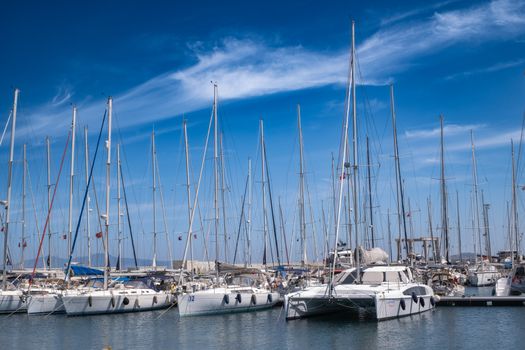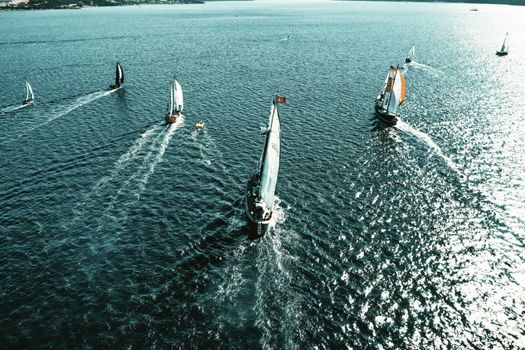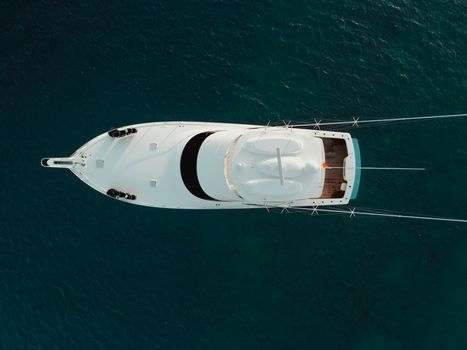
The yachting industry, traditionally synonymous with luxury and exclusivity, is steering towards a sustainable future. This evolution is driven by a growing environmental consciousness among manufacturers and enthusiasts alike, who are now prioritizing eco-friendly innovations. These advancements are not merely about reducing the environmental impact; they are crucial for ensuring the long-term viability and appeal of yachting.
Historically, yachts have primarily relied on diesel engines, which produce substantial CO2 emissions and other pollutants, adversely affecting marine ecosystems. This has led to a critical reassessment within the industry, with a new focus on developing alternative, more sustainable propulsion methods.
Electric propulsion systems represent one of the most significant shifts in this direction. These systems offer a cleaner, quieter alternative to traditional engines, significantly reducing emissions and noise pollution, thereby preserving the tranquility of marine settings. Companies like Torqeedo and Oceanvolt are leading this change, providing electric solutions that can either be incorporated into new yacht designs or used to retrofit existing vessels.
.png)
Solar power is also making waves in the yachting industry. By installing solar panels on yachts, solar energy can be harnessed to power onboard systems, decreasing the dependency on fossil fuels. Further innovations include solar sails and solar-powered water makers, which enhance a yacht's self-sufficiency and reduce its environmental footprint.
In terms of construction materials, the industry is moving away from traditional choices like fiberglass and teak, which are both environmentally demanding. Alternatives now include recycled aluminum and FSC-certified wood, which provide sustainable yet luxurious options. The adoption of bio-based resins and recyclable composites also reflects a shift towards more environmentally friendly manufacturing processes.
The management of waste and wastewater on board is another area receiving attention. Modern treatment systems on yachts can now efficiently process waste and purify water to standards safe enough for discharge, minimizing the impact on marine life. Innovations in food storage and waste management systems are also helping to reduce the amount of refuse generated during voyages.
Responsible yachting practices are increasingly emphasized within the community. This includes optimizing fuel consumption through smarter route planning and adopting eco-friendly policies like catch-and-release fishing. Educational programs aimed at yacht owners and crew are crucial for fostering a deeper understanding of their environmental impact and promoting sustainable practices.
Regulatory bodies and industry associations are instrumental in supporting these changes. Programs like the Clean Marina Program and the Superyacht Eco Association (SEA) Index provide guidelines and certifications that encourage compliance with environmental best practices. These initiatives not only help yachts meet regulatory requirements but also position them favorably in a market that is becoming progressively eco-conscious.
Looking forward, the yachting industry is poised to become a leading example of sustainability in the luxury sector. Advances in technology, materials, and operational practices are paving the way for a more eco-friendly future. This transformation ensures that yachting remains a cherished activity for generations to come, aligning the thrill of maritime leisure with the imperative of environmental stewardship. As the industry continues to evolve, the vision of enjoying pristine waters without contributing to their degradation is increasingly within reach, marking a new era of responsible yachting.