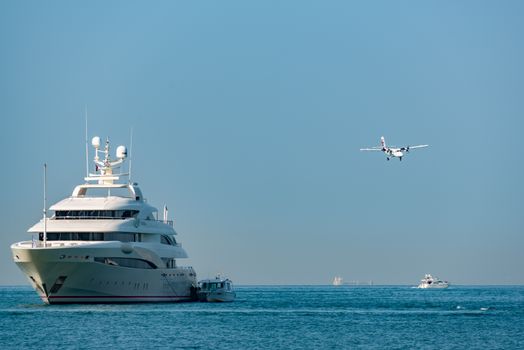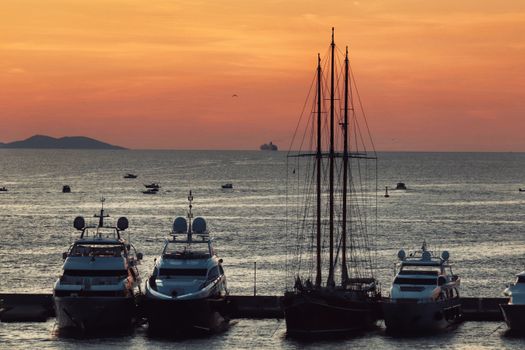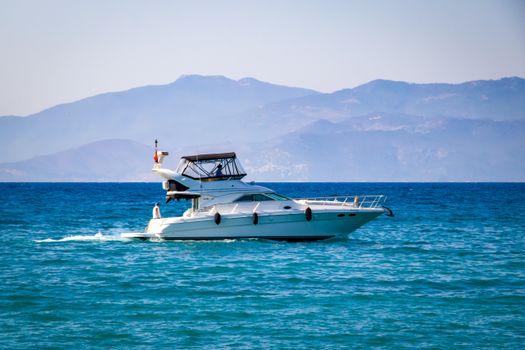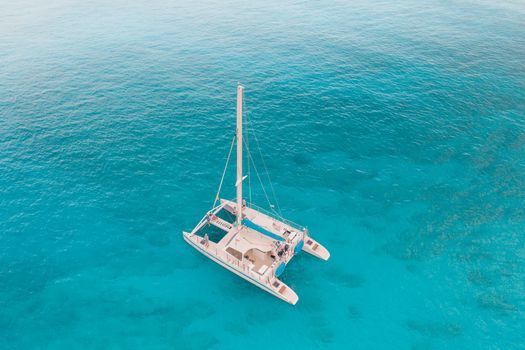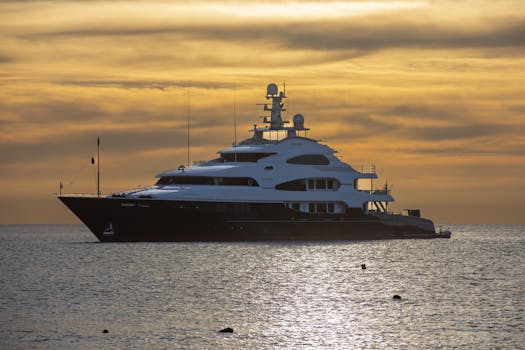
Yachting is synonymous with luxury, freedom, and adventure on the open water. For many, the dream of exploring azure coastlines and hidden coves is best realized by chartering a yacht or investing in some form of yacht ownership. In recent years, two prominent models have emerged for those looking to access the yachting lifestyle without the full burden of sole ownership: fractional yacht ownership and traditional yacht charter. But which option offers the best value, flexibility, and experience for your investment?
This article dives deep into the cost structures, benefits, and trade-offs between fractional ownership and traditional yacht charters. We'll provide clear data, real-world examples, and a side-by-side comparison to help you decide which model best aligns with your boating aspirations and budget.
Understanding Fractional Yacht Ownership and Yacht Charter
Before comparing costs, it’s important to clearly define these two approaches:
.png)
Fractional Yacht Ownership involves purchasing a share—typically 1/4, 1/6, 1/8, or even 1/12—of a yacht together with other co-owners. Each owner is entitled to a proportional amount of usage, and shares the ongoing operational costs. This model is managed by specialized companies that handle scheduling, maintenance, and management, making it a hassle-free path to regular yachting.
Traditional Yacht Charter, on the other hand, means renting a yacht for a specific period (a day, week, or longer) without any ownership stake. Charter companies offer a wide selection of yachts in various destinations, with options ranging from bareboat (self-captained) to fully crewed luxury charters.
Both models open the door to the yachting lifestyle, but the financial, experiential, and logistical implications differ significantly.
Breaking Down the Costs: Initial Investment and Ongoing Expenses
The most apparent distinction between fractional ownership and chartering is the upfront financial commitment. Let’s dissect the typical cost structures:
1. $1 - $1: A share of a new 50-foot yacht might cost $150,000 to $300,000 for a 1/8 share, depending on the yacht’s value (which could be $1.2M - $2.4M). - $1: These cover maintenance, insurance, mooring, and management. Annual expenses for a 1/8 share can range from $10,000 to $20,000. - $1: Like all luxury assets, yachts depreciate. Owners share in the eventual resale value (or loss) when the yacht is sold, typically after 3-5 years. 2. $1 - $1: Renting a 50-foot crewed yacht in the Mediterranean during high season averages $15,000–$30,000 per week. Bareboat options are cheaper, but still typically $5,000–$12,000 per week. - $1: Fuel, provisioning, crew gratuities, and docking fees are usually additional. These can add 20–30% to the base charter cost. - $1: There’s no asset depreciation or resale concern.Consider a yachting enthusiast who spends 4 weeks per year on the water. Over five years, this person could spend $300,000–$600,000 on charters—comparable to a fractional ownership investment, but with differing long-term outcomes.
Usage Flexibility and Accessibility: How Much Yachting Do You Want?
One of the key questions to ask is: how often do you plan to use a yacht each year? Usage patterns dramatically impact the value proposition of each model.
- $1 typically guarantees a set number of sailing days per year (often 4–6 weeks for a 1/8 share). Some programs offer additional “as-available” days at no extra cost. Scheduling is managed via an online booking system, with peak dates allocated fairly among co-owners. - $1 offers ultimate flexibility. You can choose different yachts, locations, and durations each time. There’s no restriction on how many weeks you can book per year—if you’re willing to pay, you can sail as much as you like.For frequent sailors, fractional ownership provides predictable access at a lower per-day cost. For those who only want the occasional week at sea, chartering may be the more cost-effective and flexible solution.
Comparing Real Costs: Side-by-Side Analysis
To illustrate how the costs stack up, let’s look at a hypothetical scenario over a five-year period:
- You want 4 weeks of yachting per year. - You’re considering a 50-foot yacht, crewed and well-maintained. - You have the option of buying a 1/8 share (fractional ownership) or chartering.| Cost Factor | Fractional Ownership (1/8 Share) | Traditional Charter |
|---|---|---|
| Initial Buy-In | $200,000 | $0 |
| Annual Fees (x5 years) | $75,000 ($15,000/year) | $0 |
| Total Charter Fees (4 weeks/year x $20,000 x 5 years) | $0 | $400,000 |
| Extras (fuel, food, tips, etc.) | $25,000 | $80,000 |
| Asset Resale/Exit Value | -$120,000 (60% depreciation) | $0 |
| Total 5-Year Cost | $180,000 | $480,000 |
In this example, the fractional owner enjoys significantly lower total costs over five years—provided they use their full allocation and the depreciation remains within industry averages. For occasional users, the high upfront cost of fractional ownership may not be justified.
Quality of Experience: Personalization, Consistency, and Luxury
Cost isn’t the only factor; the experience itself can vary between models:
- $1 often enjoy a “home away from home,” with the ability to store personal items onboard and return to the same, well-maintained yacht each trip. The yacht is managed to high standards, and owners may influence upgrades or equipment choices. There’s a sense of pride and connection not found in short-term rentals. - $1 benefit from trying different yachts, crews, and destinations. This diversity can be exciting, especially for those who love variety. However, the unpredictability of yacht condition, layout, and service may impact the overall experience.According to the International Yacht Brokers Association, over 70% of fractional yachting clients cite “consistency and familiarity” as a top benefit, while 60% of charter clients value “variety and global access” most highly.
Long-Term Value and Financial Considerations
Let’s consider what happens at the end of your five-year yachting journey:
- $1: You can sell your share (subject to market demand), recouping a portion of your initial investment. However, yacht depreciation is inevitable: most luxury yachts lose 8–12% of value each year. After 5 years, a $1.6M yacht could be worth just $640,000—so your share’s resale value may be $80,000 (down from $200,000). - $1: There’s no asset to sell, but also no depreciation or market risk. You simply walk away, having paid for your time on the water.Tax implications may also play a role. In some jurisdictions, fractional owners may benefit from certain tax advantages (such as writing off maintenance costs), though this varies widely by location and should be reviewed with a financial advisor.
Which Model is Right for You? Key Considerations
Both fractional ownership and traditional chartering have their place in the world of luxury yachting. To determine which is right for you, consider the following:
- $1: If you plan to spend multiple weeks on a yacht each year, fractional ownership is likely more economical. - $1: If you want to sail in different locations, on various yachts, and with no long-term commitment, chartering is the way to go. - $1: Fractional ownership requires a significant upfront investment and assumes some market risk. Chartering is pay-as-you-go, with zero residual value but also zero liability. - $1: Do you prefer the familiarity and comfort of “your” yacht, or the thrill of variety? - $1: Are you comfortable with the process of selling your share, or do you prefer the simplicity of a transactional rental?According to a 2023 survey by Superyacht Times, 62% of first-time yacht users opt for chartering, while 38% move to fractional or shared ownership after gaining experience and confirming their passion for yachting.
Final Thoughts on Cost Comparison: Fractional Ownership vs. Traditional Yacht Charter
The choice between fractional yacht ownership and traditional charter depends on your personal yachting ambitions, financial situation, and appetite for commitment. Fractional ownership offers lower long-term costs for frequent users, a sense of belonging, and the pride of ownership—balanced against higher upfront investment and exposure to depreciation. Chartering, on the other hand, provides ultimate flexibility and no financial risk, but comes at a higher per-use cost for regular sailors.
Evaluate your desired level of time on the water, preferred experience, and financial goals before making a decision. Whether you choose to own a slice of a luxury yacht or enjoy the freedom of chartering different vessels, the world of yachting is more accessible than ever.