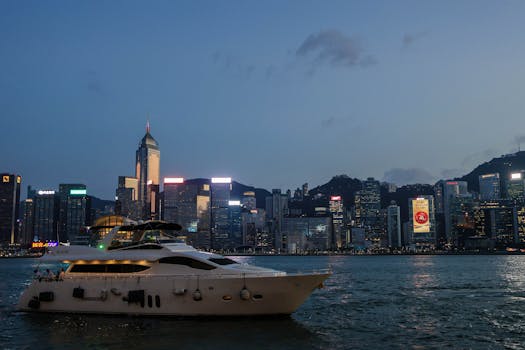
Yachting has long been a symbol of luxury, exclusivity, and adventure. But as concerns about environmental responsibility and sustainability grow, the world of yachting is undergoing significant transformation. One of the most promising trends in this industry is the rise of fractional yacht ownership—a model that allows multiple individuals to co-own and share a luxury vessel. But how does this new approach impact the ecology and sustainability of yachting? This article explores the environmental effects, potential advantages, and challenges of fractional yacht ownership, offering a deep dive into how sharing a yacht can help—or hinder—the movement toward greener seas.
The Environmental Footprint of Traditional Yacht Ownership
Before exploring fractional ownership, it’s vital to understand the ecological issues associated with traditional yacht ownership. A standard private yacht is typically used for just 4-6 weeks per year, according to data from the International Council of Marine Industry Associations (ICOMIA). The rest of the time, these vessels often sit idle in marinas, consuming space and resources for maintenance, cleaning, and security.
Yachts can have a significant ecological impact: - Fuel Consumption: A 60-foot motor yacht can burn 80-120 liters of fuel per hour while cruising. - CO2 Emissions: The average superyacht emits approximately 7,020 metric tons of CO2 annually (according to a 2019 study by Indiana University). - Waste and Pollution: Bilge discharge, greywater, and improper waste management contribute to marine pollution. - Resource Use: Yacht construction uses substantial amounts of fiberglass, metals, and other materials, many of which are not easily recyclable.Given these numbers, it’s clear that the traditional model of single-owner yachting comes with a heavy ecological price tag.
.png)
Fractional Yacht Ownership: Shared Luxury, Shared Responsibility
Fractional yacht ownership enables several individuals or families to co-own a yacht, splitting the costs and usage time. Typically, a yacht is divided into 6 to 12 shares, with each co-owner entitled to a certain number of weeks on board each year. This model is growing rapidly; the global fractional yacht market is projected to reach $1.4 billion by 2026 (Allied Market Research).
But what does this mean for sustainability?
1. $1: Fractional owners use their yacht more efficiently. Instead of one owner using a yacht for a month and leaving it idle, multiple owners collectively use the vessel for much of the year. This reduces the number of yachts needed to satisfy demand. 2. $1: Fewer yachts are built to serve the same number of people, meaning fewer resources consumed and less waste generated during production. 3. $1: By sharing a vessel, each owner’s share of emissions, fuel consumption, and waste is dramatically reduced compared to sole ownership. 4. $1: Fractional ownership companies often manage regular maintenance and upgrades, including eco-friendly retrofits like solar panels or advanced water filtration systems.Comparing Environmental Impact: Fractional vs. Full Ownership
To provide a clearer perspective, let’s compare key ecological factors between traditional yacht ownership and the fractional model.
| Aspect | Traditional Ownership | Fractional Ownership |
|---|---|---|
| Average Annual Usage per Yacht | 4-6 weeks | 20-40 weeks (combined) |
| Yachts Needed for 10 Owners | 10 | 1-2 |
| CO2 Emissions per Owner (annual) | Up to 7,000 metric tons$1 | |
| Resource Use in Construction | High (10 yachts built) | Significantly lower (1-2 yachts built) |
| Waste & Pollution Management | Varies, often individual | Professional, centralized |
As the table shows, fractional ownership can dramatically reduce the number of yachts in operation, lower per-user emissions, and centralize management—making it easier to implement sustainable practices.
Ecological Benefits of Fractional Yacht Ownership
The environmental advantages of fractional yacht ownership go beyond just numbers:
- $1: With fewer yachts needed, marina space is used more efficiently, reducing the environmental strain of building and maintaining large marina complexes. - $1: Fractional ownership programs are more likely to invest in modern, eco-friendly vessels—such as hybrid or electric yachts—since the cost is shared among multiple owners. - $1: Centralized management ensures adherence to best practices in waste disposal, hull cleaning (reducing invasive species spread), and regular maintenance, all of which reduce environmental harm. - $1: Yachts that are used more frequently and maintained professionally are less likely to develop issues like fuel leaks, mold, or hull degradation that contribute to pollution.For example, several leading fractional yacht companies—such as SeaNet and Yachtico—report investments in solar energy systems, advanced wastewater treatment, and even carbon offset programs as part of their sustainability initiatives.
Potential Ecological Drawbacks and Challenges
While fractional ownership offers significant benefits, it’s important to acknowledge potential pitfalls:
- $1: Higher utilization means more time spent at sea, which could increase total emissions or disturbance to marine life if not managed responsibly. - $1: Not all owners may be equally committed to sustainability, potentially resulting in conflicts over eco-friendly practices or upgrades. - $1: If fractional ownership grows the yachting market faster than it reduces yacht numbers, total environmental impact could remain steady or even increase. - $1: Fractional ownership may make yachting accessible in ecologically sensitive areas, increasing pressure on fragile marine ecosystems.Industry oversight and clear regulations are essential to ensure that the growth of fractional ownership doesn’t inadvertently encourage overuse or lead to “greenwashing” (making false or exaggerated environmental claims).
How Fractional Yachting Can Promote Sustainable Innovation
Fractional ownership companies are uniquely positioned to drive ecological change in the yachting world. With professional management and economies of scale, these companies can more easily adopt and spread sustainable innovations:
- $1: Regularly updating shared yachts with the latest fuel-efficient engines or electric propulsion systems. - $1: Choosing new builds constructed with recycled or sustainable materials, such as flax fiber composites. - $1: Implementing advanced onboard waste management, graywater recycling, and plastic-free policies. - $1: Providing owners with training on sustainable boating practices and encouraging participation in marine conservation efforts.Some programs also participate in carbon offset initiatives—supporting reforestation or renewable energy projects to balance out their yachts’ emissions. In 2023, it was reported that over 30% of new fractional programs in Europe include a sustainability or offset component as standard.
Final Thoughts: The Future of Eco-Friendly Yachting Through Fractional Ownership
Fractional yacht ownership is not a silver bullet, but it represents a meaningful step toward a more sustainable future for luxury boating. By maximizing vessel utilization, reducing resource consumption, and centralizing eco-friendly management, this model can significantly decrease the environmental footprint per yachting enthusiast.
However, the ecological benefits of fractional yacht ownership depend heavily on responsible management, transparent reporting, and a genuine commitment to sustainable practices. As the market grows, ongoing innovation and regulation will be vital to ensure that the blue seas remain beautiful for generations of yacht lovers to come.